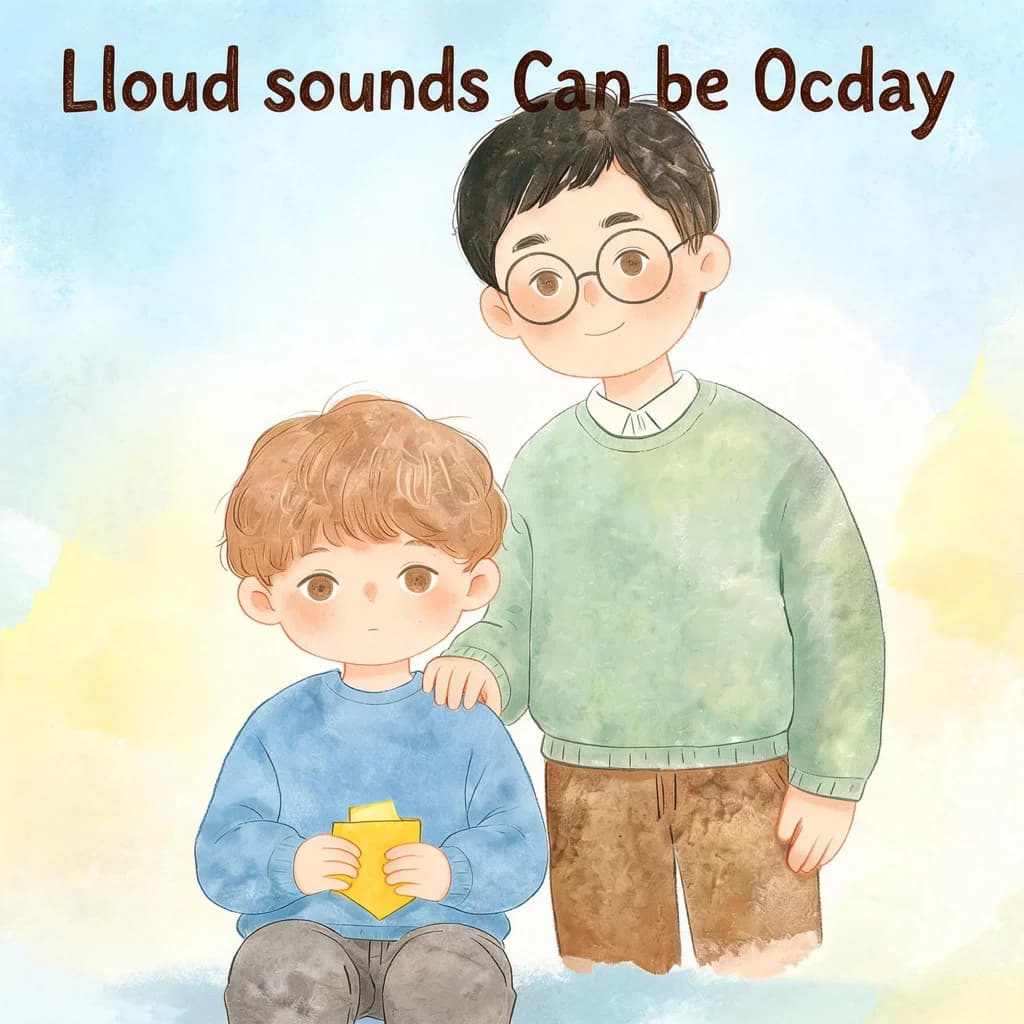
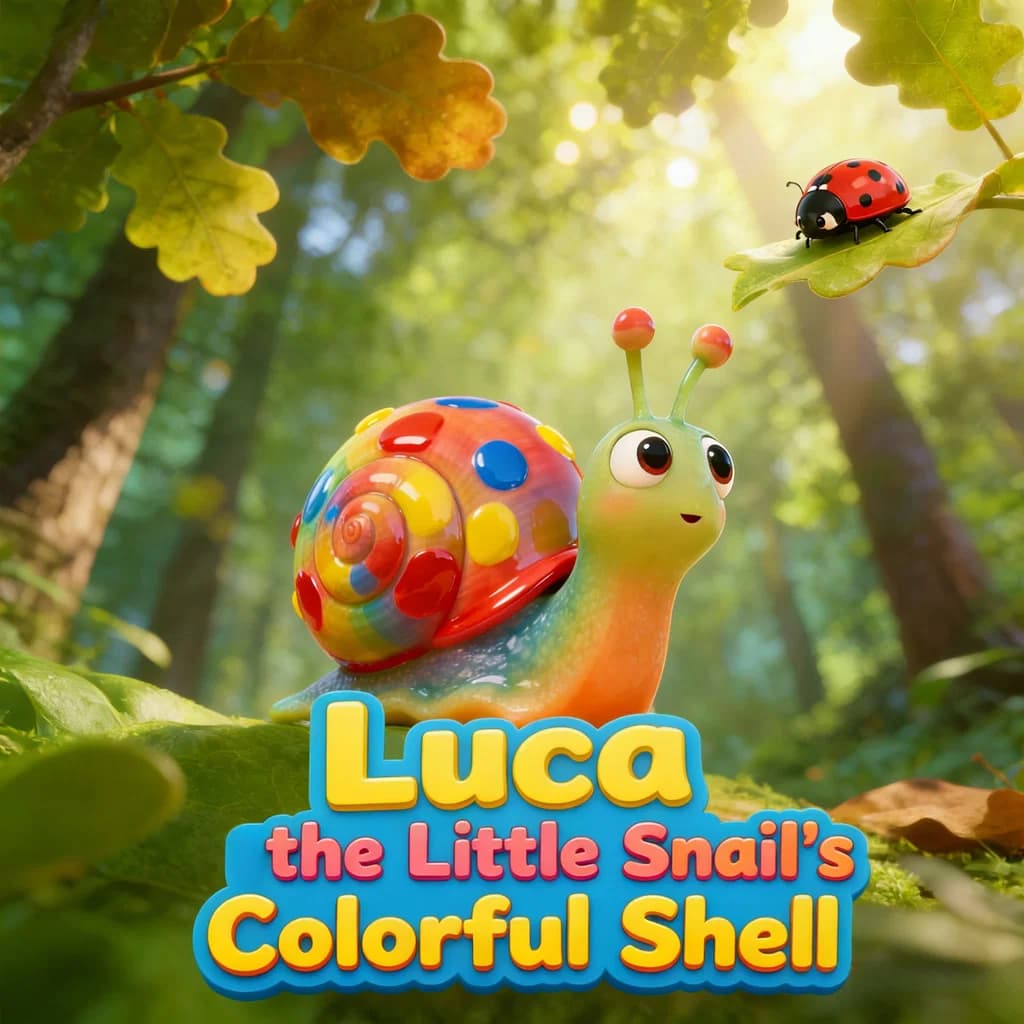
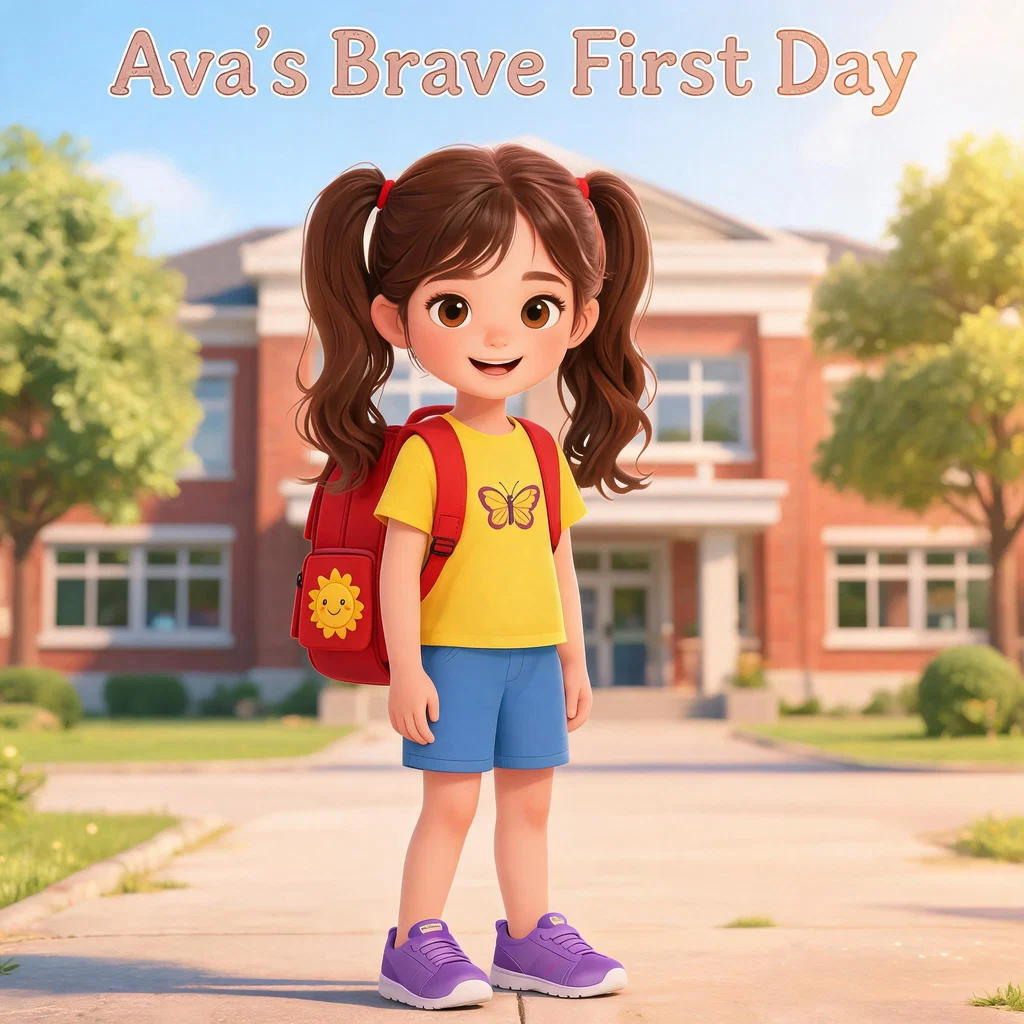
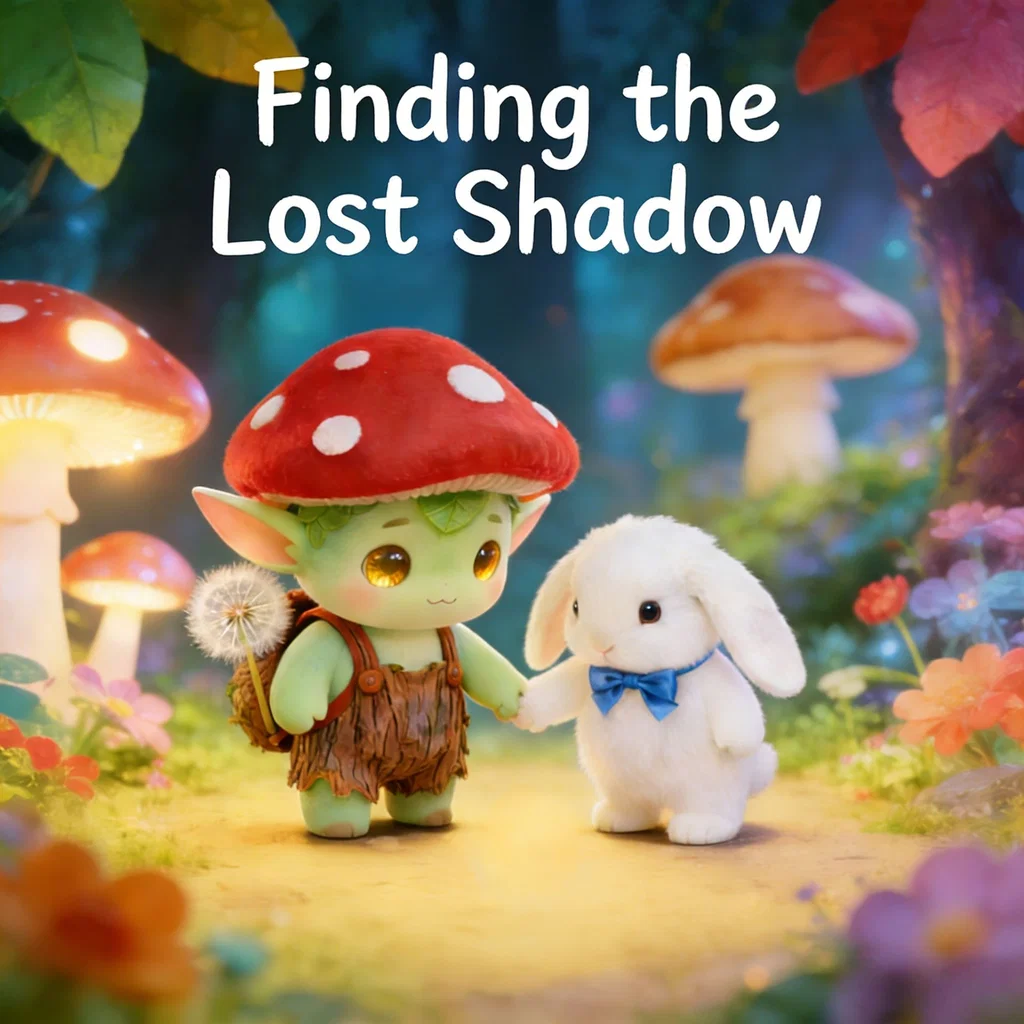
Words stick better in context
A word on a flashcard has no story attached to it. A word in a picture book comes with a character, a picture and a reason to care: the fox needed a lantern because the forest was dark. Research on early vocabulary consistently finds that children learn more words from shared book reading when adults revisit those words afterwards. The listen-and-find game is that revisit, built automatically for every book.
- Words picked from the book your child just read
- Each word heard aloud in a short spoken prompt
- A picture to tap, so even pre-readers can play
- A child-friendly meaning for every word at the end
How listen and find works
Each round reads a prompt aloud that uses one word from the story, for example “Where is the umbrella?”, and shows a few picture cards. Your child taps the matching one. A wrong tap dims that card and lets them try again; a right tap plays a cheerful sound and says the word once more. Four or five rounds make one game, so attention never runs out.
Difficulty that grows with your child
The game follows the book’s age band. For toddlers (0-3) it shows two pictures per round and four rounds, a gentle first step in matching spoken words to pictures. Ages 4-7 get three choices and five rounds. Ages 8-12 get four choices and also see the written word under each picture, linking what they hear with how it is spelled, which supports early reading.
Vocabulary in 10 languages
The game plays in the language of the book, with prompts read aloud in that language. That makes it useful for bilingual families and language learners too: create a short story in Spanish, French, Chinese or any of the 10 supported languages, read it together, and practise its words with the game.
Make the words about your child
Because you can create the story, you can choose the vocabulary. Ask for a story about a visit to the dentist, a rainy day at the farm or a trip to the moon, and the game will practise the words of that world. Use it before a new experience, or to follow up on a topic from school.
Turn the word list into conversation
The end screen shows each word with its meaning and a few open questions about the story. Pick one word and use it during the day, ask your child to find it in the book again, or let them make up a new sentence with it. A few minutes of talk like this does more for vocabulary than another round of any game.