What story sequencing teaches
Putting events in order asks a child to hold the whole story in mind: who did what, and what happened because of it. It is one of the first comprehension skills taught in preschool and kindergarten, and it underpins retelling, summarising and later writing. Children who can say what happened first, next and last understand cause and effect in a story, not only the single page in front of them.
- Recall: remembering events from the story
- Order: first, next, then, last
- Cause and effect: this happened because of that
- Retelling: telling the story in their own words
How the sequencing game works
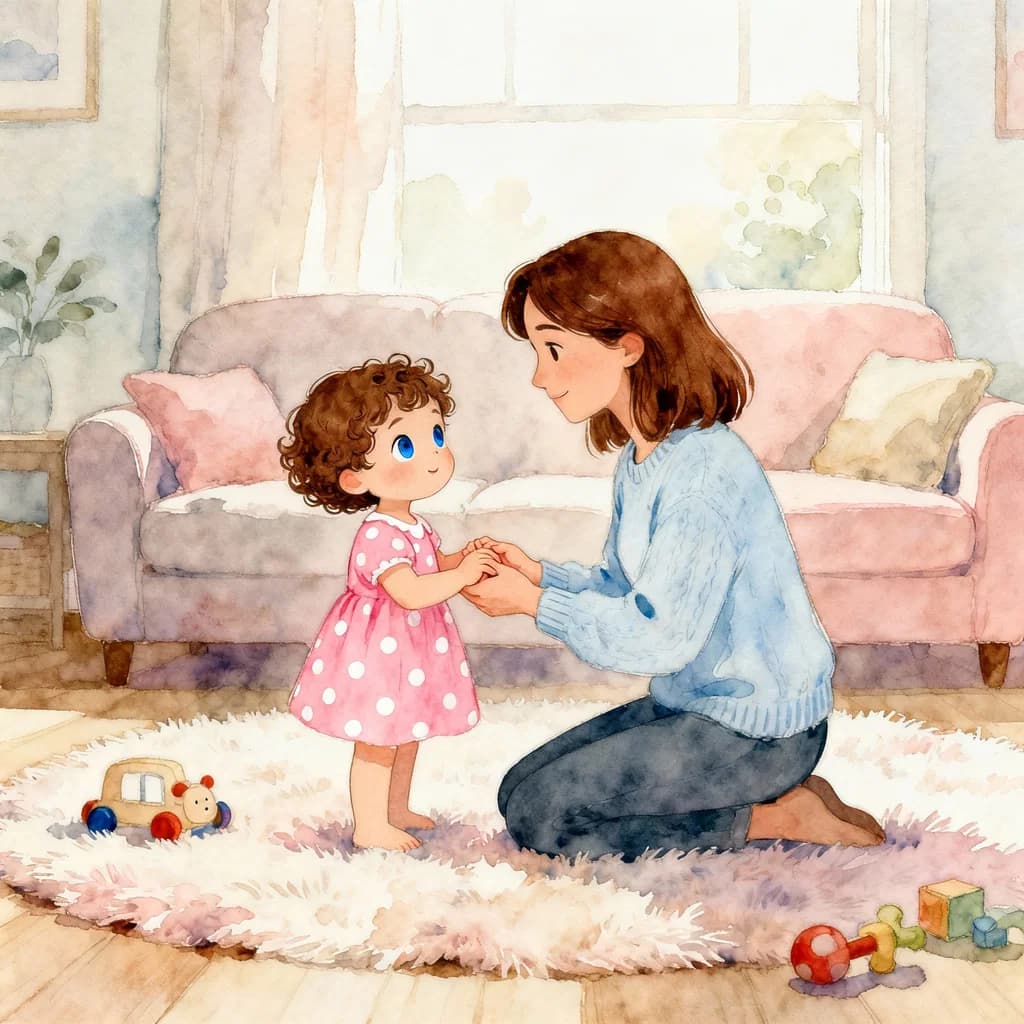
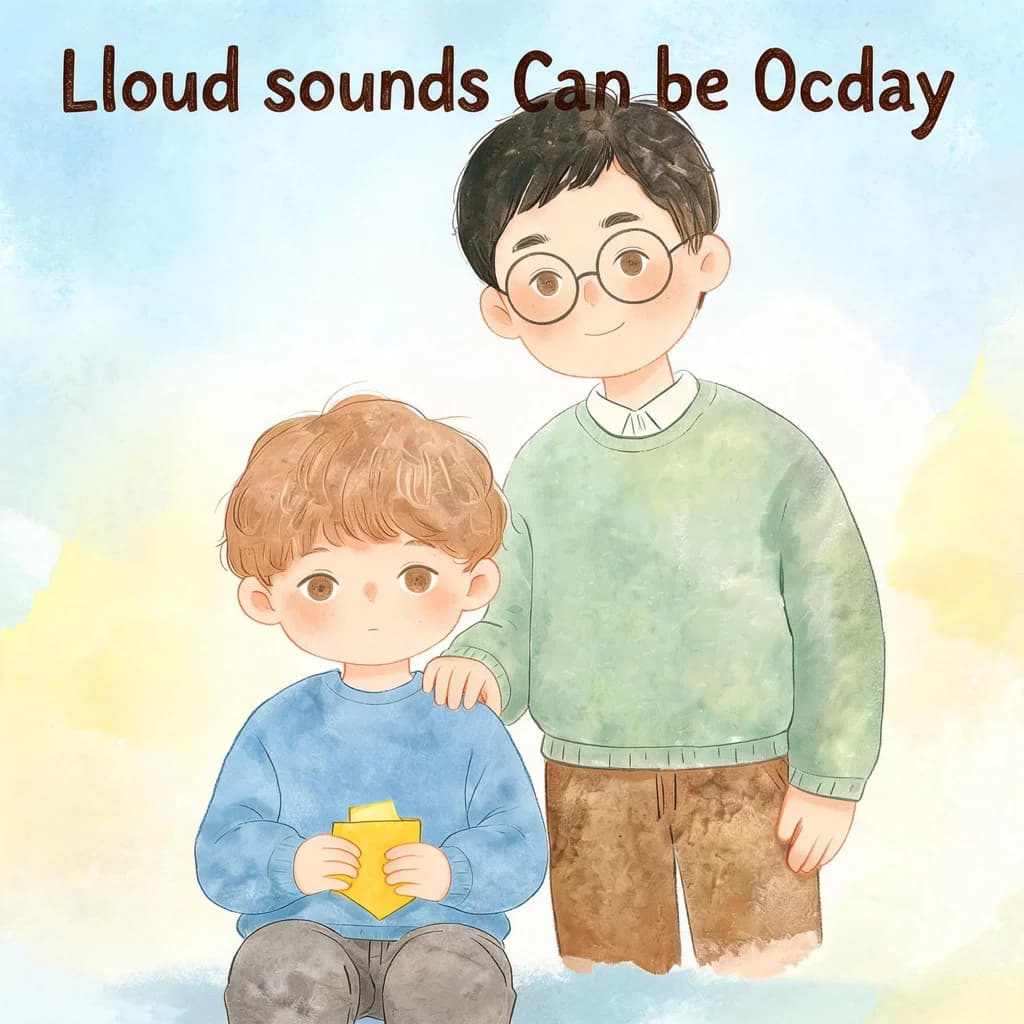
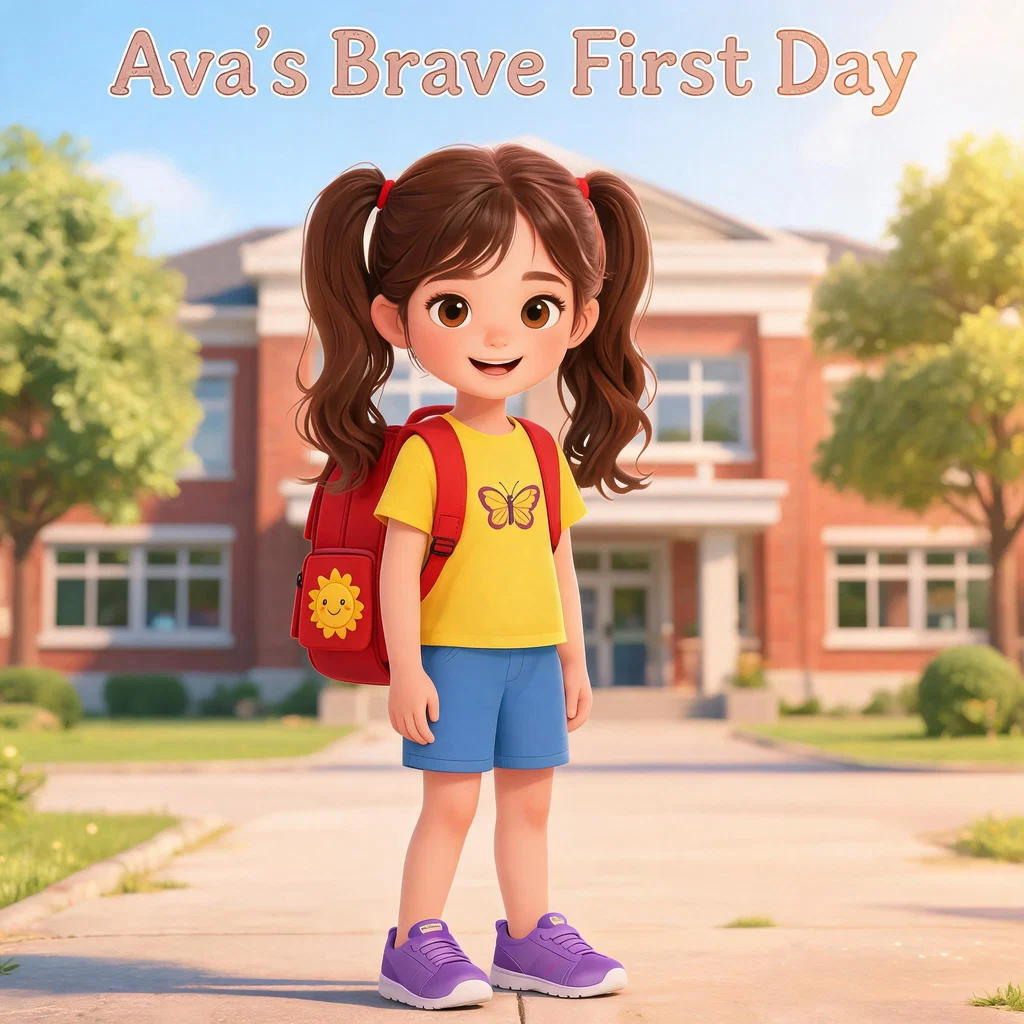
At the end of the book, the game shows a few of its illustrations in shuffled order. Your child taps them in the order they appeared in the story; each correct picture locks into place with a number. Pictures are taken evenly from the start, middle and end of the book, so the order depends on the plot rather than on tiny details. A wrong tap simply wiggles the card, and the child keeps going until the story is back in order.
The right number of pictures for each age
Toddlers and young preschoolers (0-3) sequence three pictures: a clear beginning, middle and end. From age 4 the game uses four pictures, which adds a “then” between “next” and “last”. Keeping the sequence short matches how much young children can hold in working memory, so the game stays a success rather than a test.
Better than printable sequencing cards
Printable sequencing cards are usually about a generic story the child has never read. Here the pictures are from the story you read together a minute ago, so your child is recalling a real memory, not guessing. There is nothing to print or cut out, and every new book comes with a new sequence. If you prefer paper, you can still download your own books as a PDF and cut out the pages.
Retell the story together
Once the pictures are in order, ask your child to tell the story using them: “What happened first? And then?” Prompt with first, next, then and last, and let them point at the pictures. The end screen also suggests open questions about the story to keep the conversation going. Retelling out loud is where sequencing turns into language.
Make a story about a real sequence
Sequencing also helps with real routines. Create a short story about getting ready for school, brushing teeth or a trip to the doctor, read it together, and the sequencing game rehearses the steps in order. For children who need more support with routines, social stories describe a situation step by step in the same way.