Why play a game after the story?
Children remember a story better when they have to use it. Retelling what happened first, next and last, and finding the words they just heard, asks a child to pull the story back out of memory instead of only listening to it. Generic reading games use someone else’s words and pictures. These games use the exact pictures and words of the book your child just finished, so every question is about something they have seen a minute ago and can actually answer.
- Built from the book itself: its own illustrations, its own words
- Short: two games, about five minutes together
- No losing: a wrong tap simply wiggles and the child tries again
- Ends with the words learned and questions to talk about
Game 1: Story order
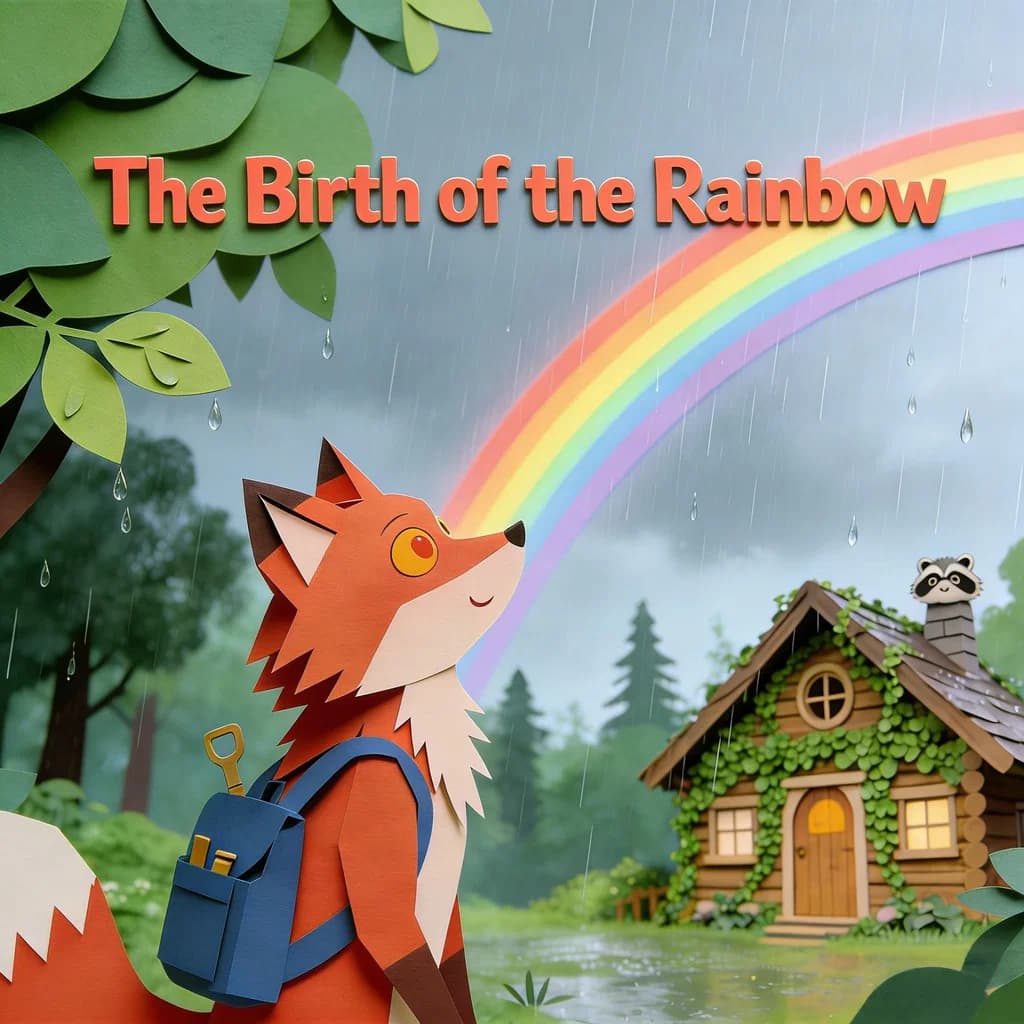
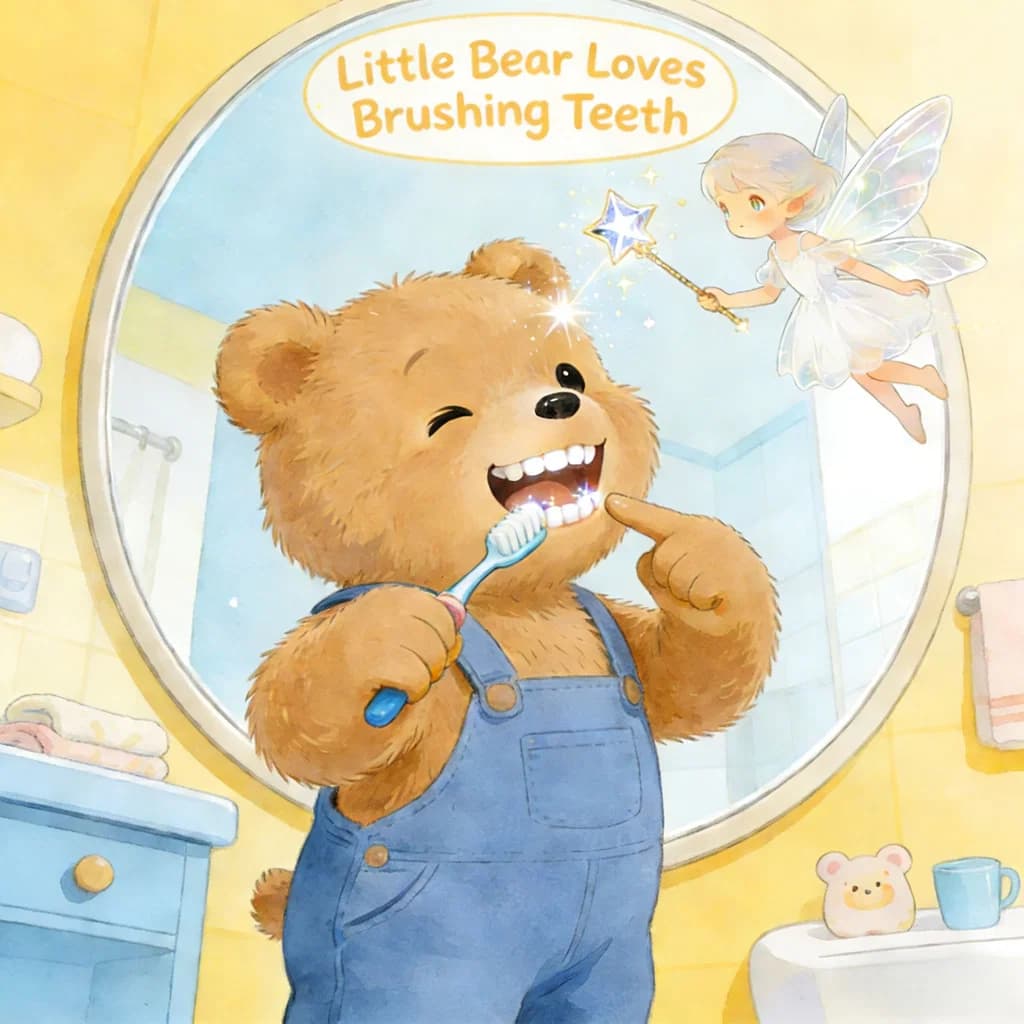
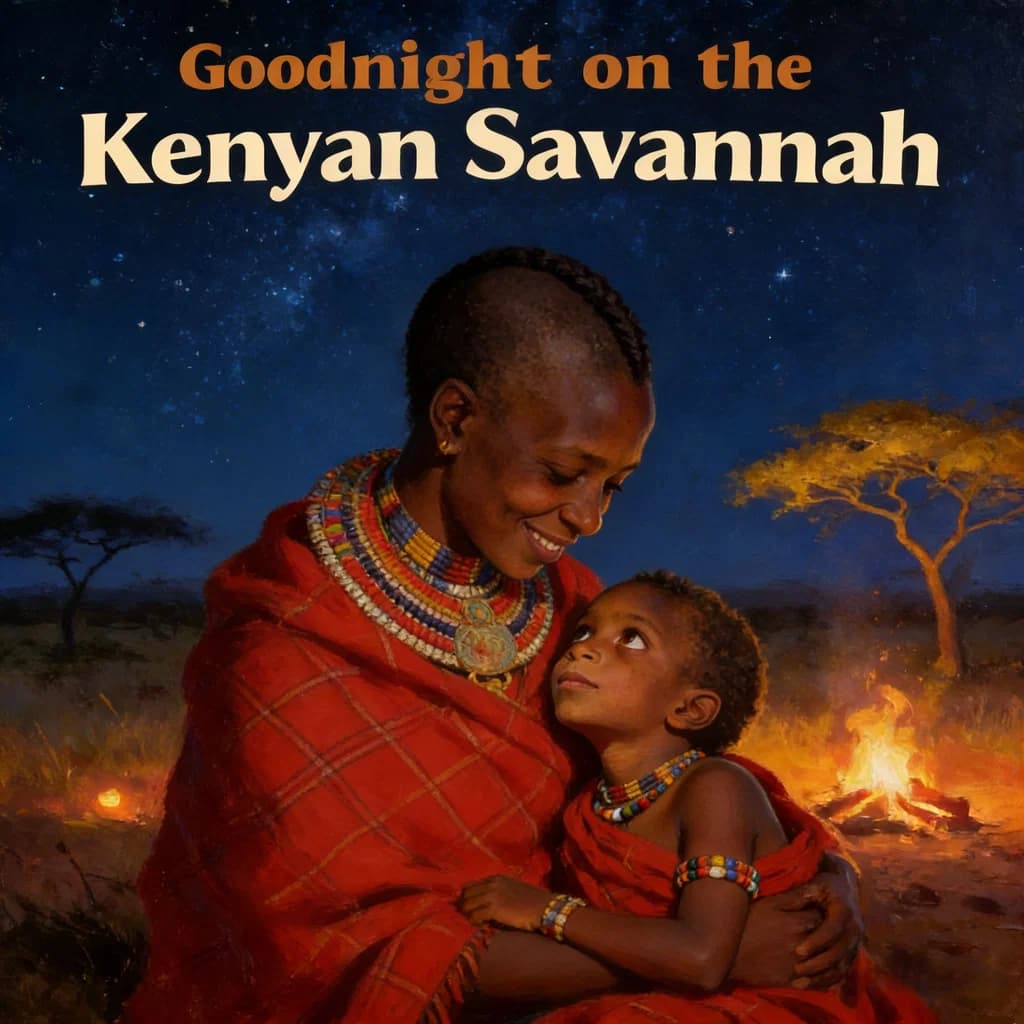
The child sees a few of the book’s illustrations shuffled and taps them in the order they happened. Toddlers get three pictures; older children get four, taken from the beginning, middle and end of the book so the order is meaningful. Getting it right means remembering the plot, which is the first step of story comprehension and of retelling a story in their own words.
Game 2: Listen and find
A friendly voice reads a prompt that uses a word from the story, such as “Can you find the lantern?”, and the child taps the matching picture card. The words are chosen from the book’s text, so they are words your child has just heard in context. Rounds and choices grow with age: two choices for the youngest, three for ages 4-7 and four for ages 8-12, where the written word also appears under each picture to connect sound, meaning and print.
What parents get at the end
When the games are done, the end screen lists every word your child played with a short, child-friendly meaning, and a few open questions to ask about the story, like what a character felt or what your child would have done. Those questions turn the game into a conversation, which is where most of the language learning happens.
Which books have games?
Every storybook with text gets its games automatically: the ones you create with the AI storybook generator and the public books in the community library. Games are in the language of the book, so a Spanish story plays in Spanish and a Japanese story in Japanese, across all 10 supported languages. Wordless picture books have no words to play with, so they skip the games and keep their storytelling prompts instead.
How to start
Open any story in the reader and turn to the last page; the “Play word games” button starts them. You can also create a new book about something your child loves today, read it together, and play its games straight away. The games are free with a ChildrenBooks account, on every plan.