How wordless books support early readers
Wordless picture books for early readers help children practice the parts of reading that are not decoding: sequence, cause and effect, character change, and story meaning.
Help early readers practice story meaning, sequence, and prediction before focusing on printed text.
Wordless picture books for early readers help children practice the parts of reading that are not decoding: sequence, cause and effect, character change, and story meaning.
Children can explain what happened, guess what might happen next, and compare one page to another. This builds reading confidence because the child can participate even without fluent text reading.
ChildrenBooks can create wordless picture books with clear page turns and readable visual clues, making them useful for home reading, tutoring, and classroom discussion.
Use wordless picture books for early readers to support sequencing, observation, retelling, and story confidence.
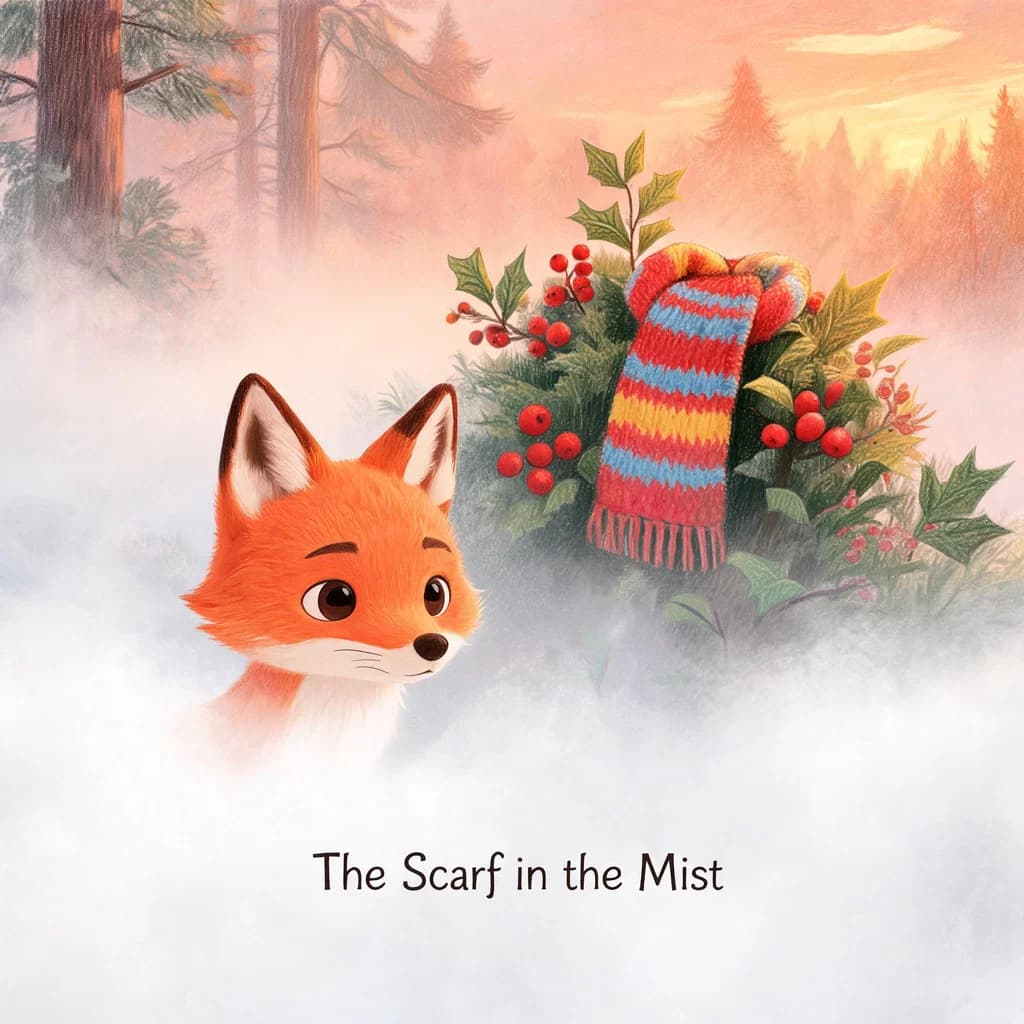
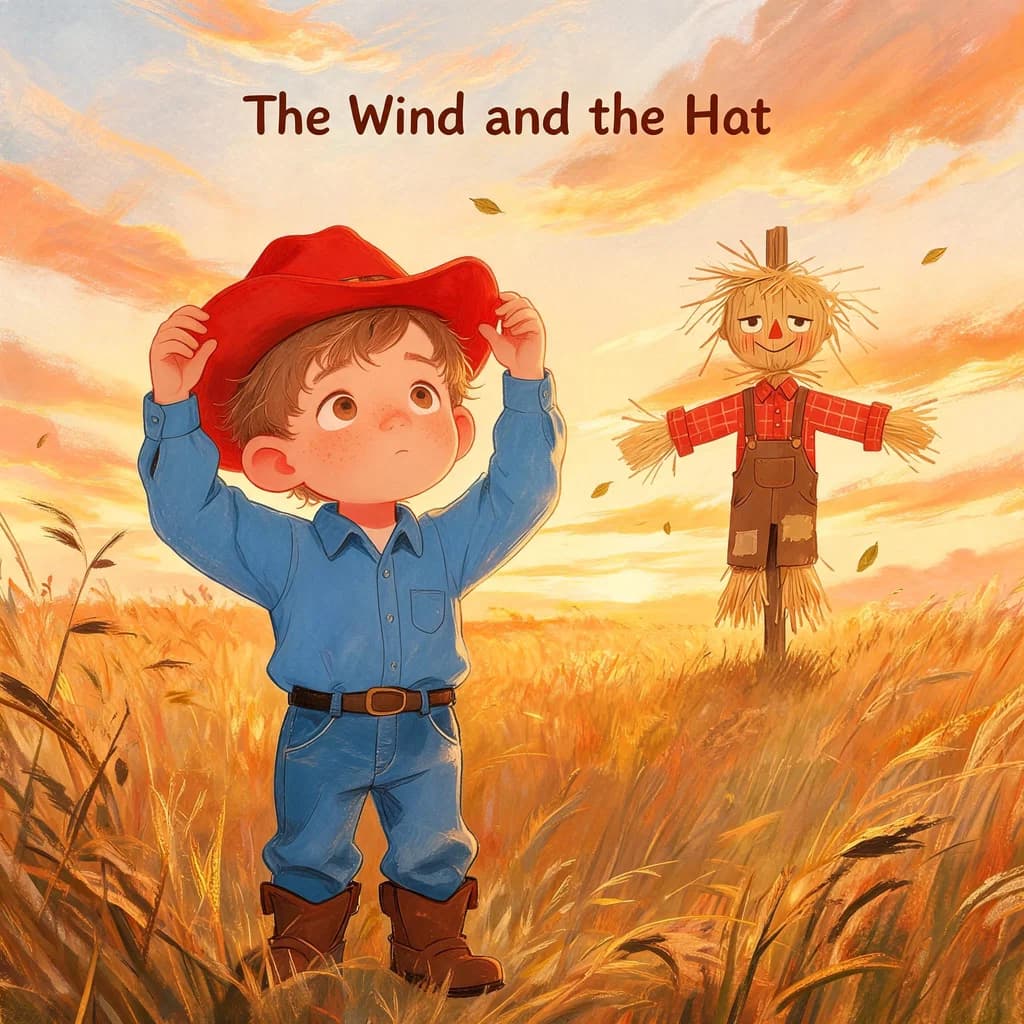
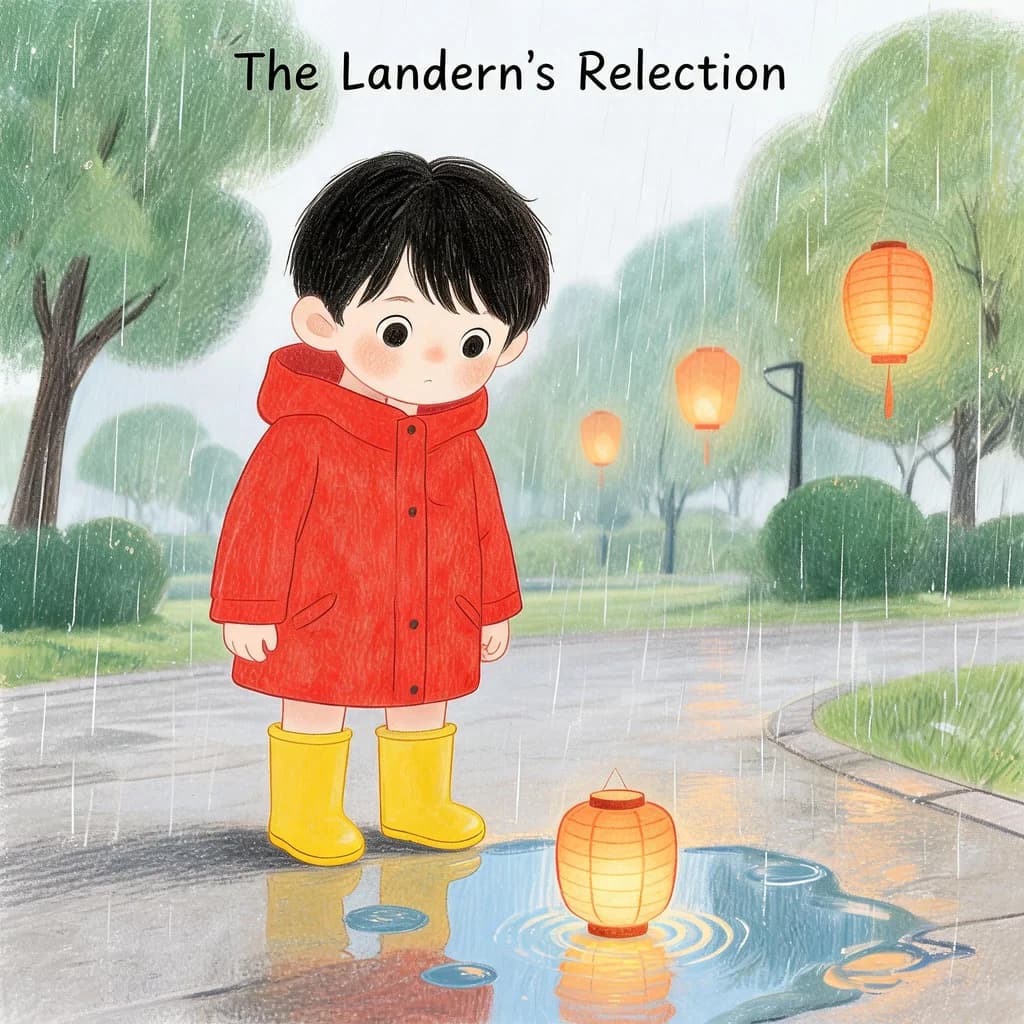
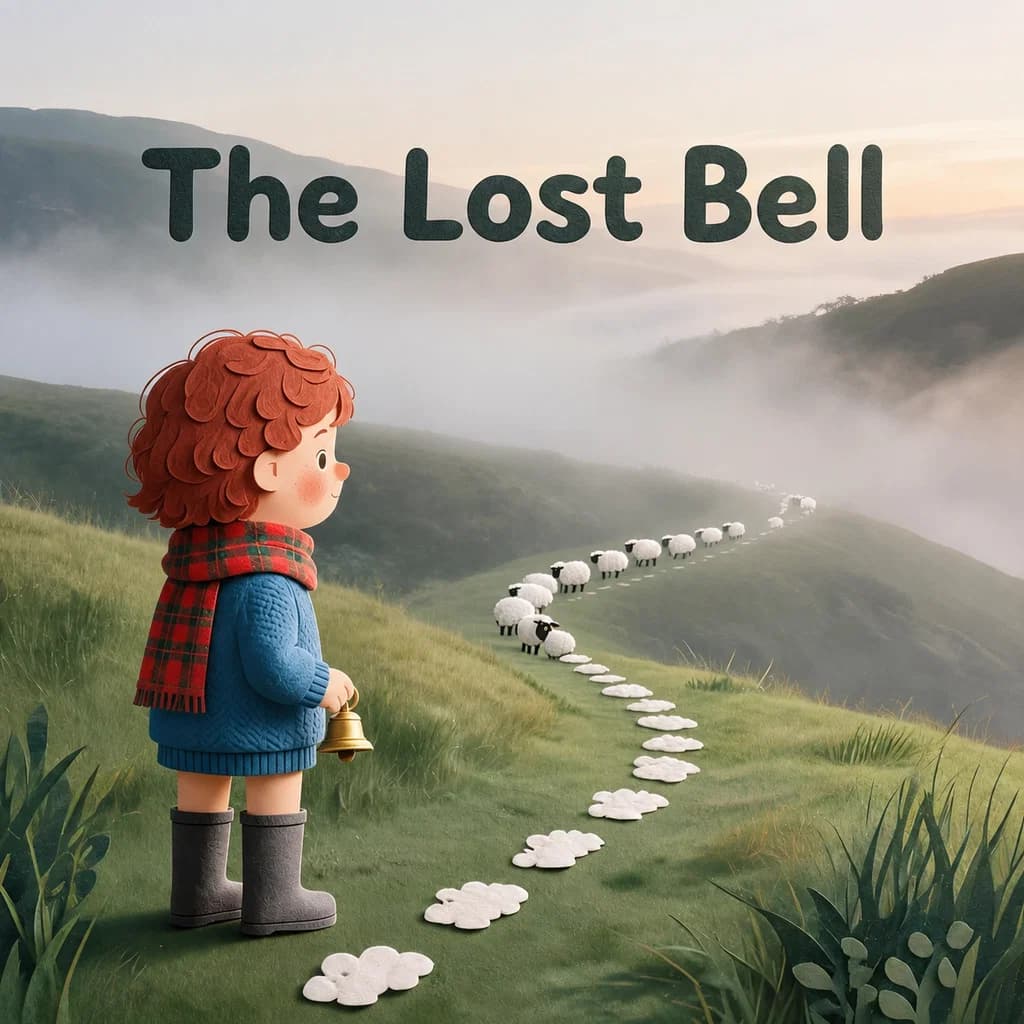
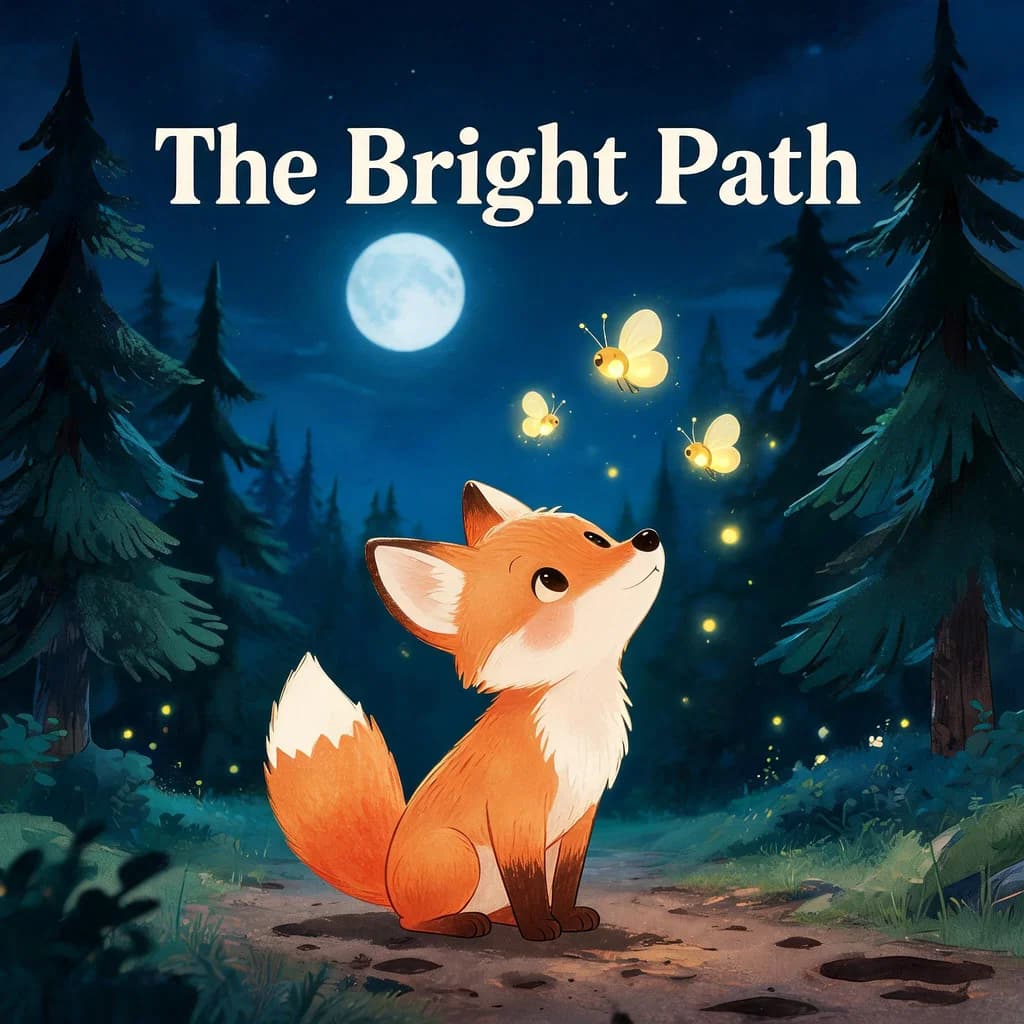
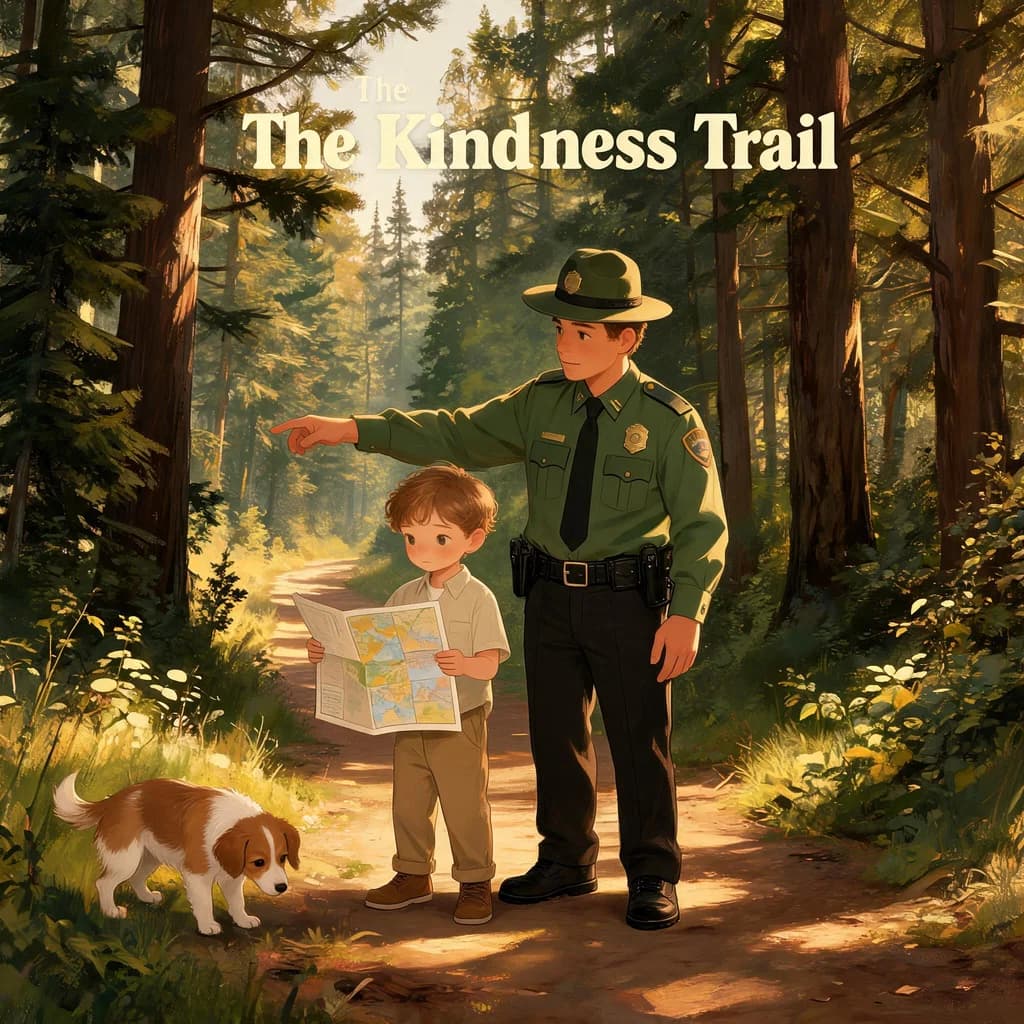
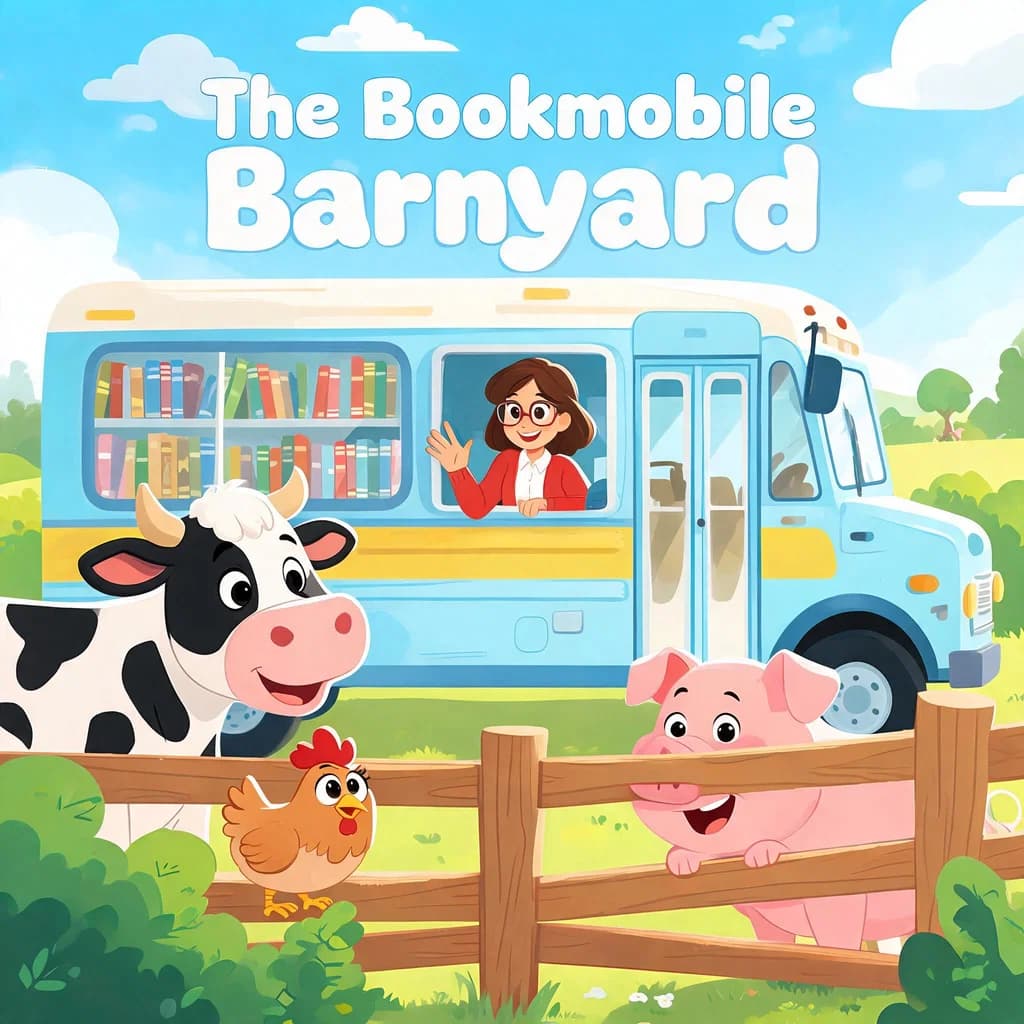
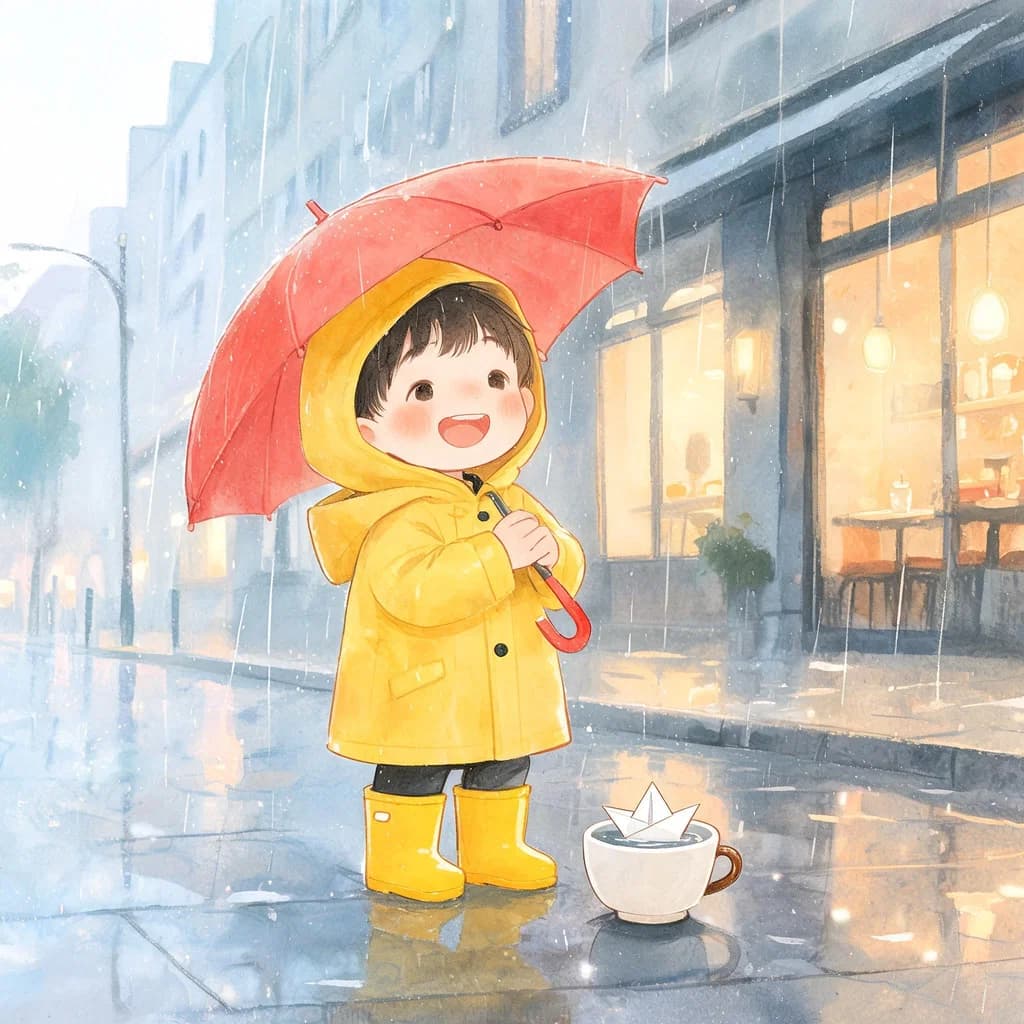
Drop in a name, pick an age and a style — our AI writes and illustrates a brand-new children's book in under three minutes.
Use wordless picture books for storytelling practice, retelling, sequencing, prediction, and child-led narration.
Read collectionUse wordless picture books for classroom discussion, prediction, sequencing, visual literacy, and talk about feelings and actions.
Read collectionExplore wordless picture books for kids and create your own visual story online. Great for visual storytelling, bedtime reading, preschool discussion, and early story sequencing.
Read collectionCreate wordless picture books about feelings with expressive characters, emotional shifts, and child-friendly visual scenes.
Read collection