Why feelings work well in wordless books
Feelings are often easier to see before they are easy to name. A worried face, a small step backward, or a relieved smile can help children talk about emotions in a natural way.
Show feelings through faces, posture, color, distance, and small changes children can notice.
Feelings are often easier to see before they are easy to name. A worried face, a small step backward, or a relieved smile can help children talk about emotions in a natural way.
The strongest wordless books about feelings usually focus on one shift: nervous to brave, lonely to included, frustrated to calm, or unsure to proud. A simple arc is easier for children to follow.
ChildrenBooks can create a wordless picture book around one emotional theme, using expressive scenes instead of a lesson-style script.
Create wordless picture books about feelings with expressive characters, emotional shifts, and child-friendly visual scenes.
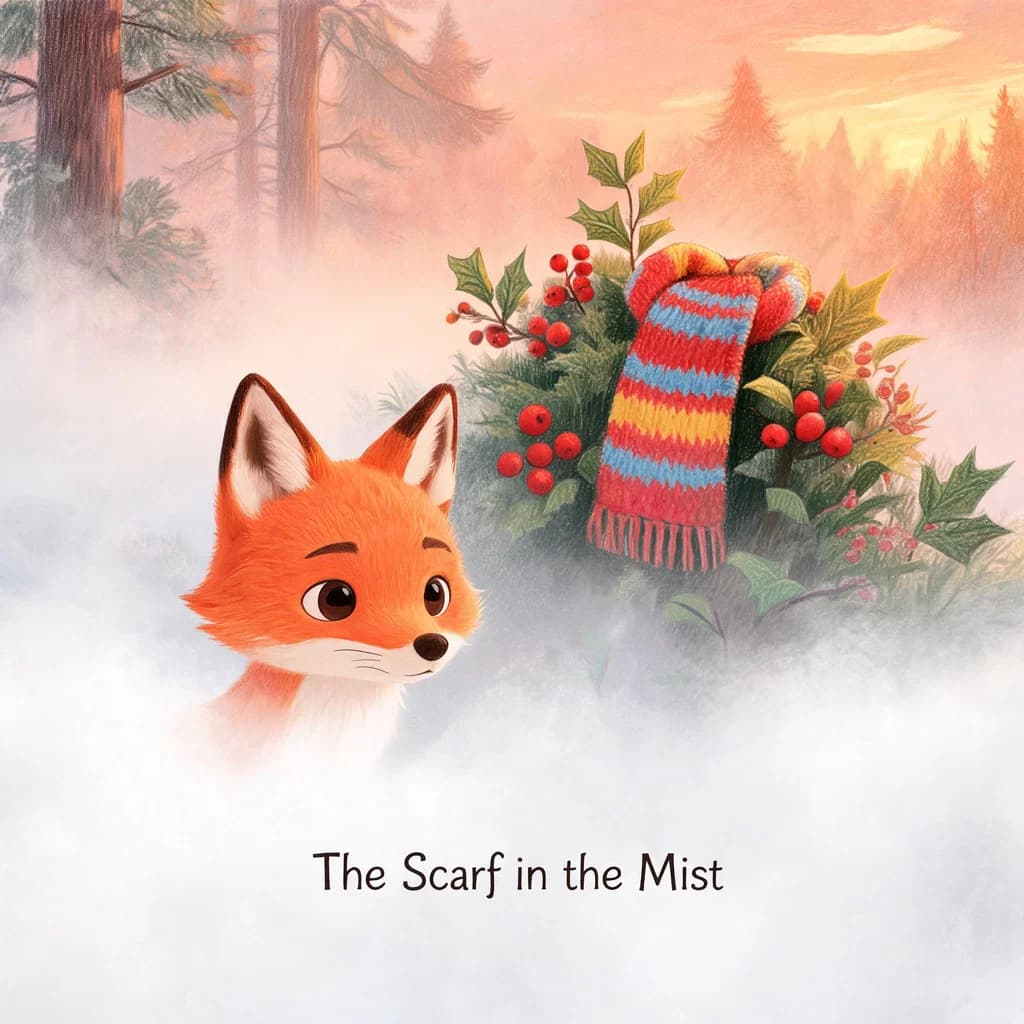
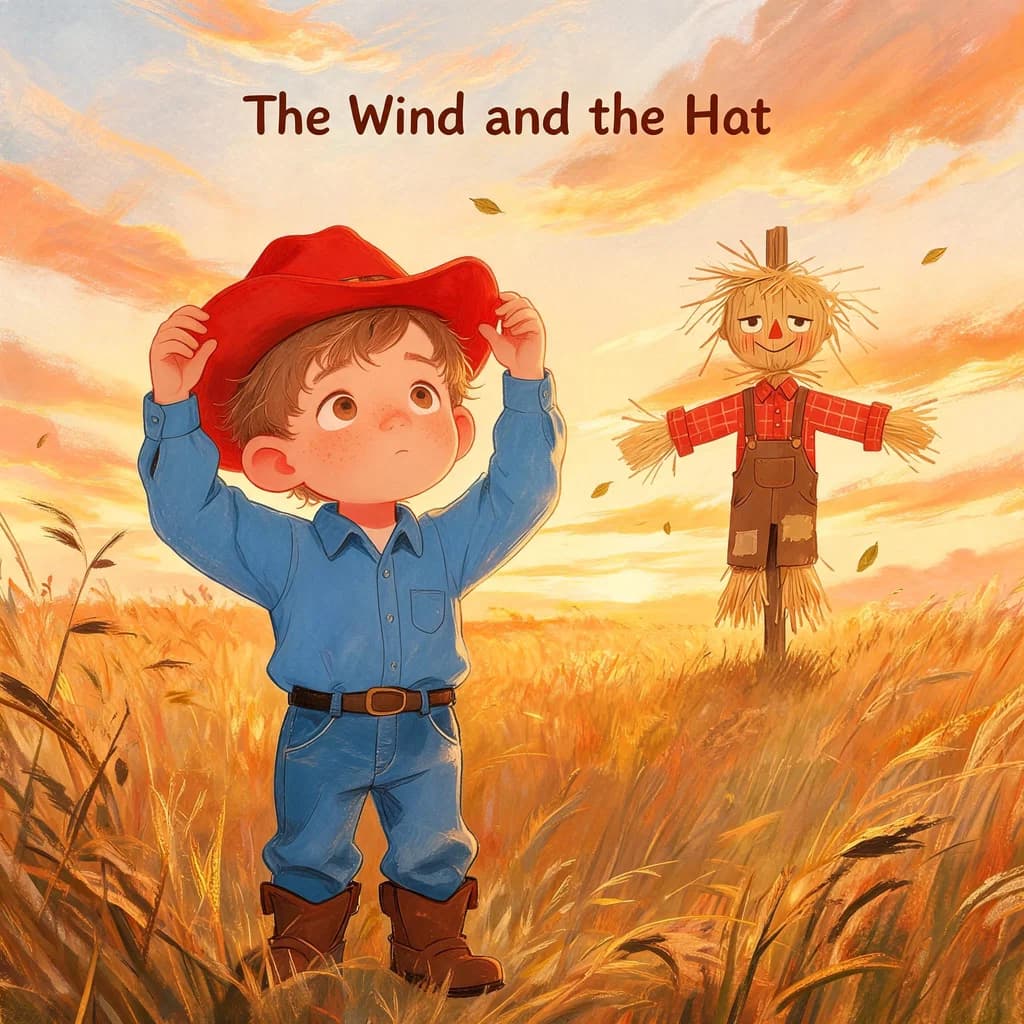
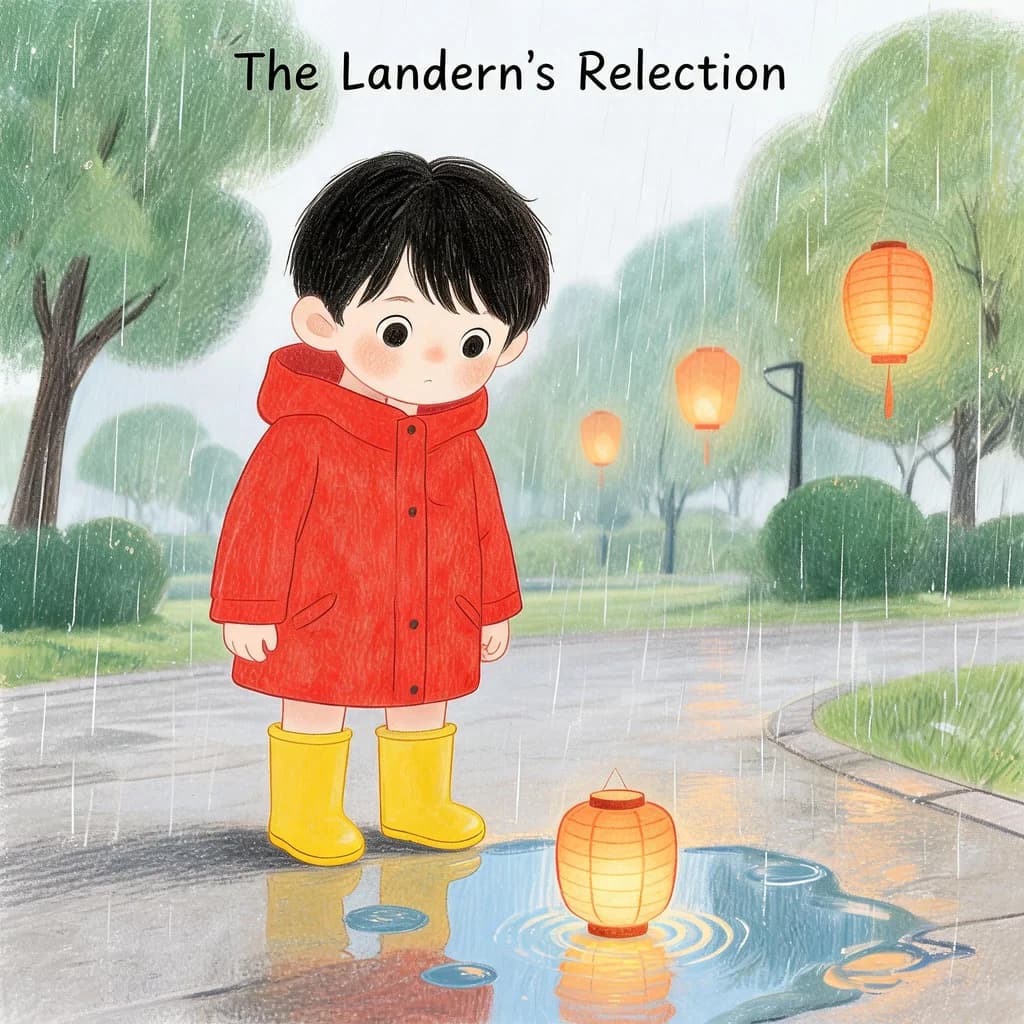
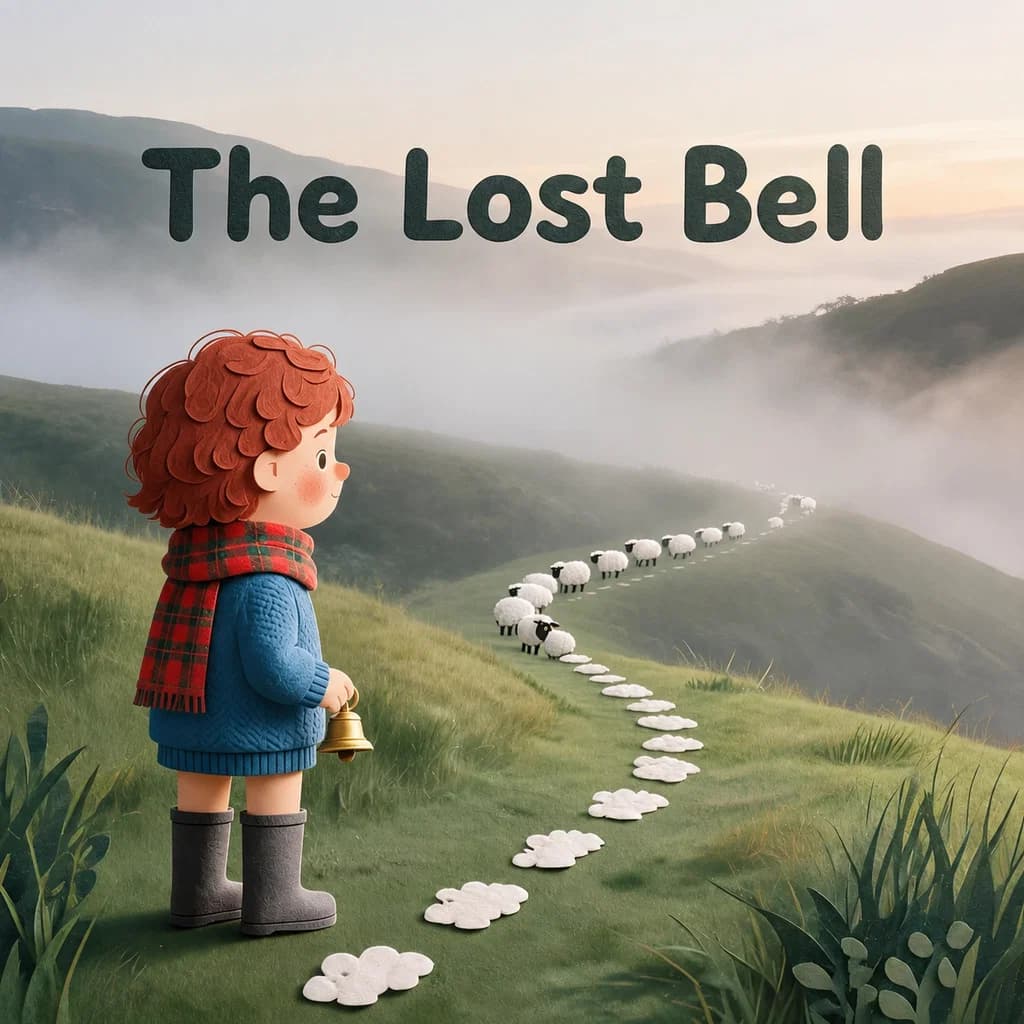

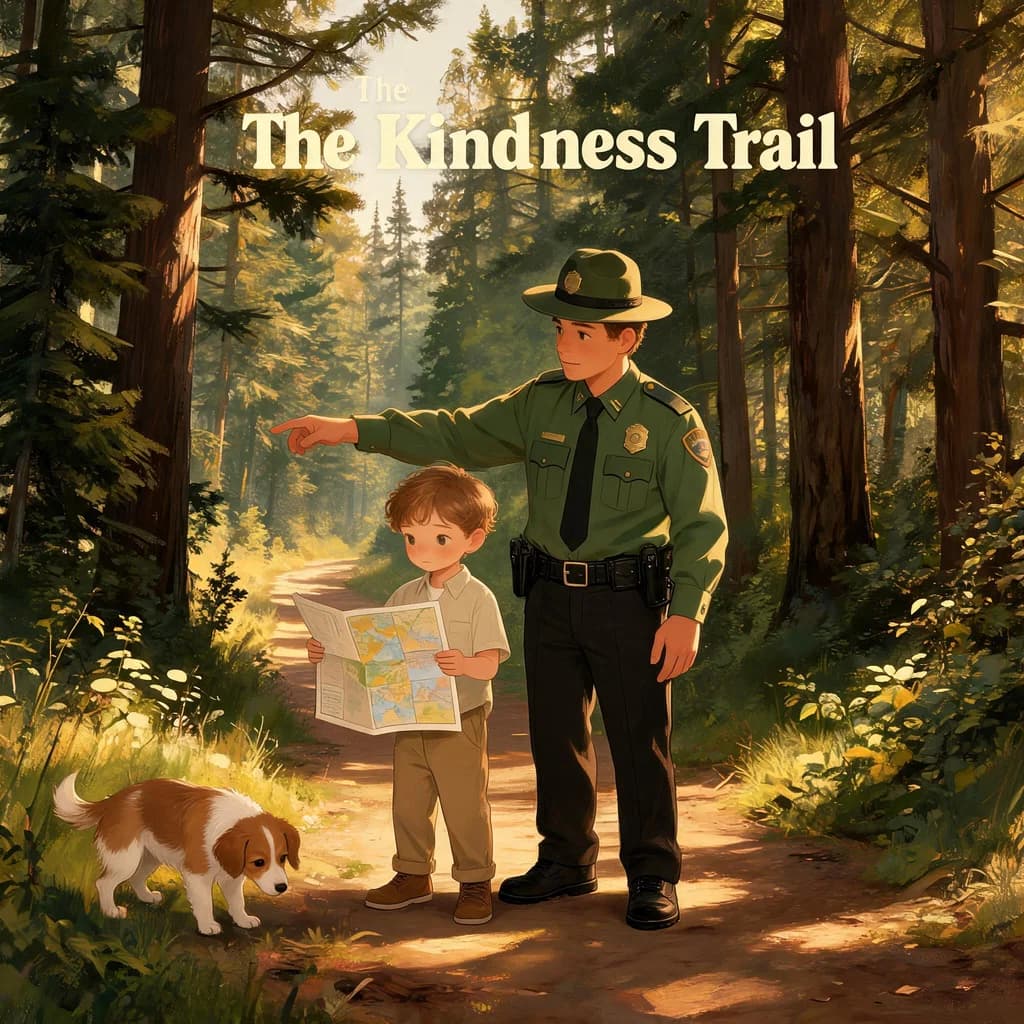
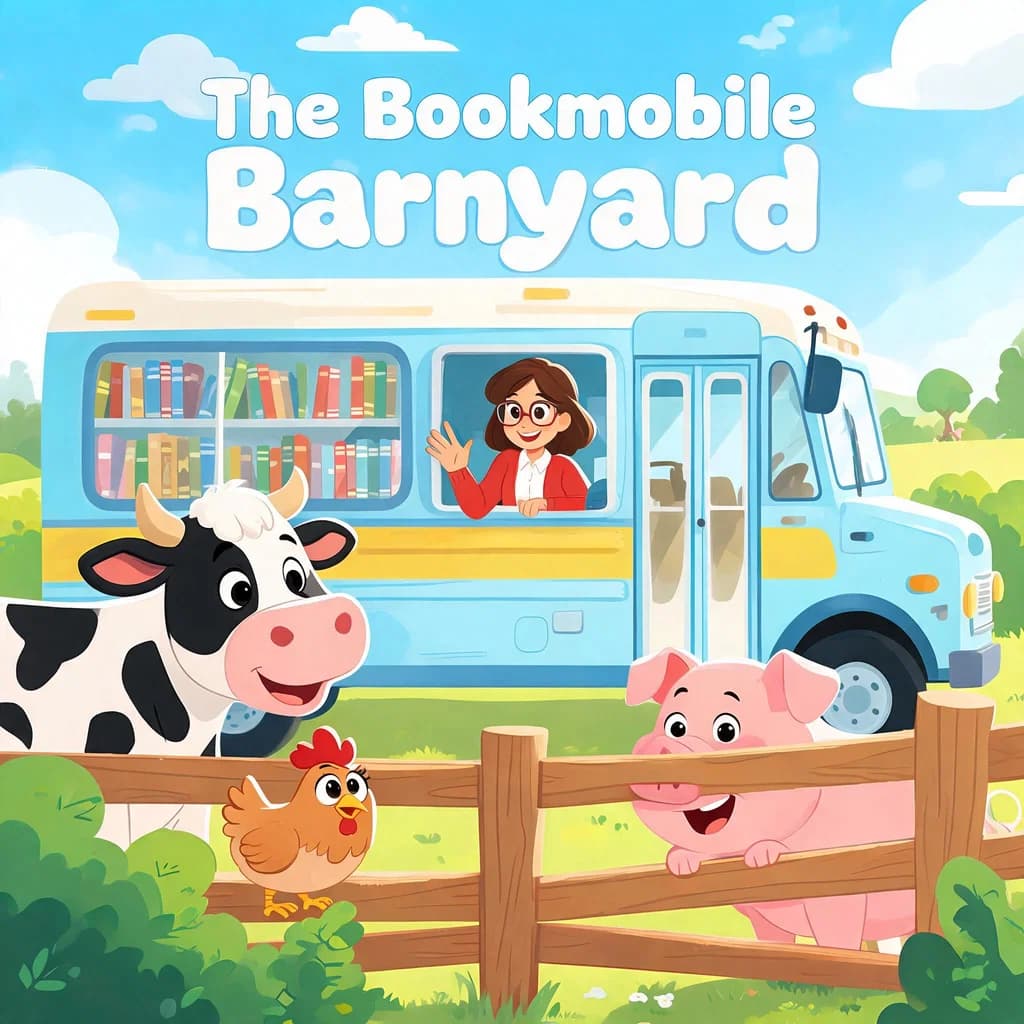
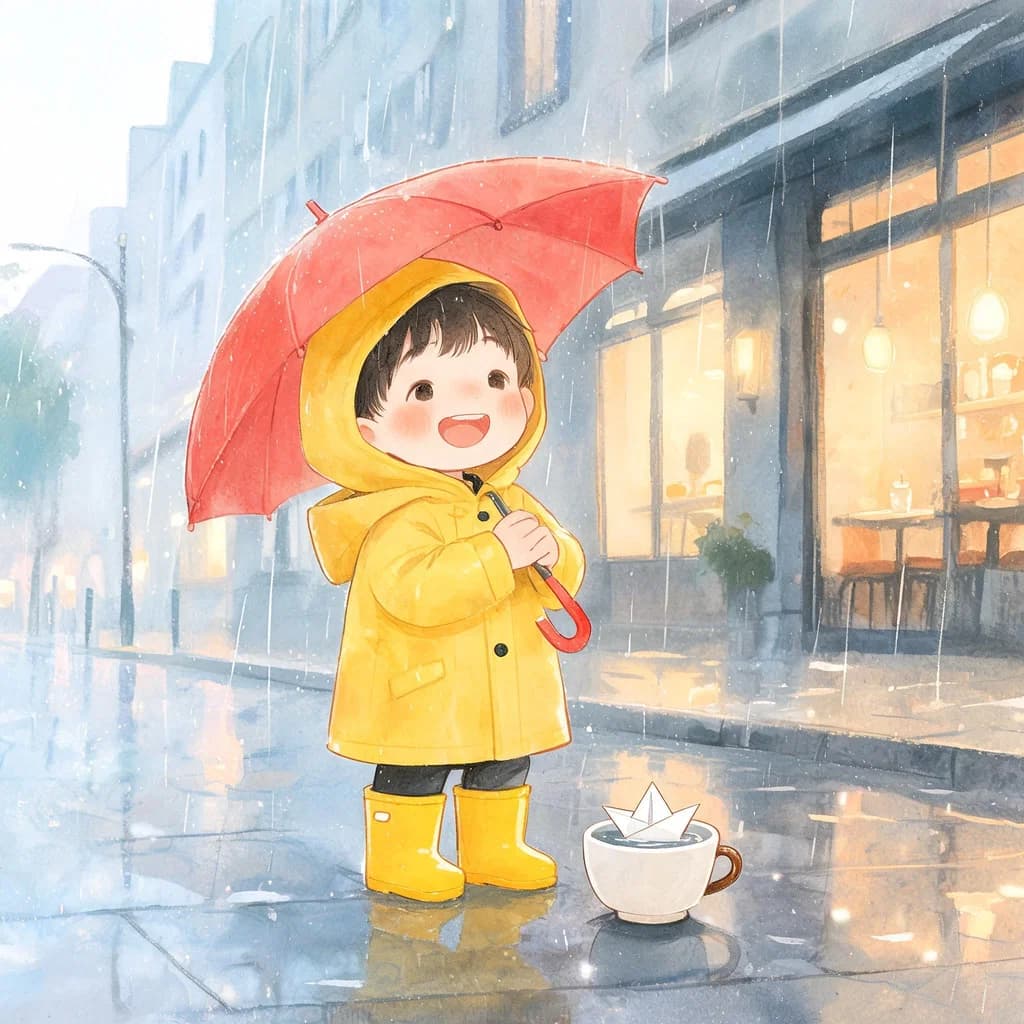
Drop in a name, pick an age and a style — our AI writes and illustrates a brand-new children's book in under three minutes.
Explore wordless picture books for kids and create your own visual story online. Great for visual storytelling, bedtime reading, preschool discussion, and early story sequencing.
Read collectionCreate and explore wordless picture books for preschoolers with simple scenes, clear emotions, and picture-led storytelling.
Read collectionCreate wordless picture books about friendship with scenes of meeting, sharing, helping, and reconnecting.
Read collectionUse wordless picture books for classroom discussion, prediction, sequencing, visual literacy, and talk about feelings and actions.
Read collection