How wordless books build storytelling skills
Wordless picture books for storytelling give children a clear sequence of scenes. They can explain what happened first, what changed, and how the story ends.
Give children a visual sequence they can describe, retell, and interpret in their own words.
Wordless picture books for storytelling give children a clear sequence of scenes. They can explain what happened first, what changed, and how the story ends.
Retelling helps children organize ideas, use descriptive language, and understand cause and effect. Since there is no fixed script, each child can tell the story at their own level.
ChildrenBooks can generate wordless picture books with readable visual logic, expressive characters, and page turns that make retelling easier.
Use wordless picture books for storytelling practice, retelling, sequencing, prediction, and child-led narration.
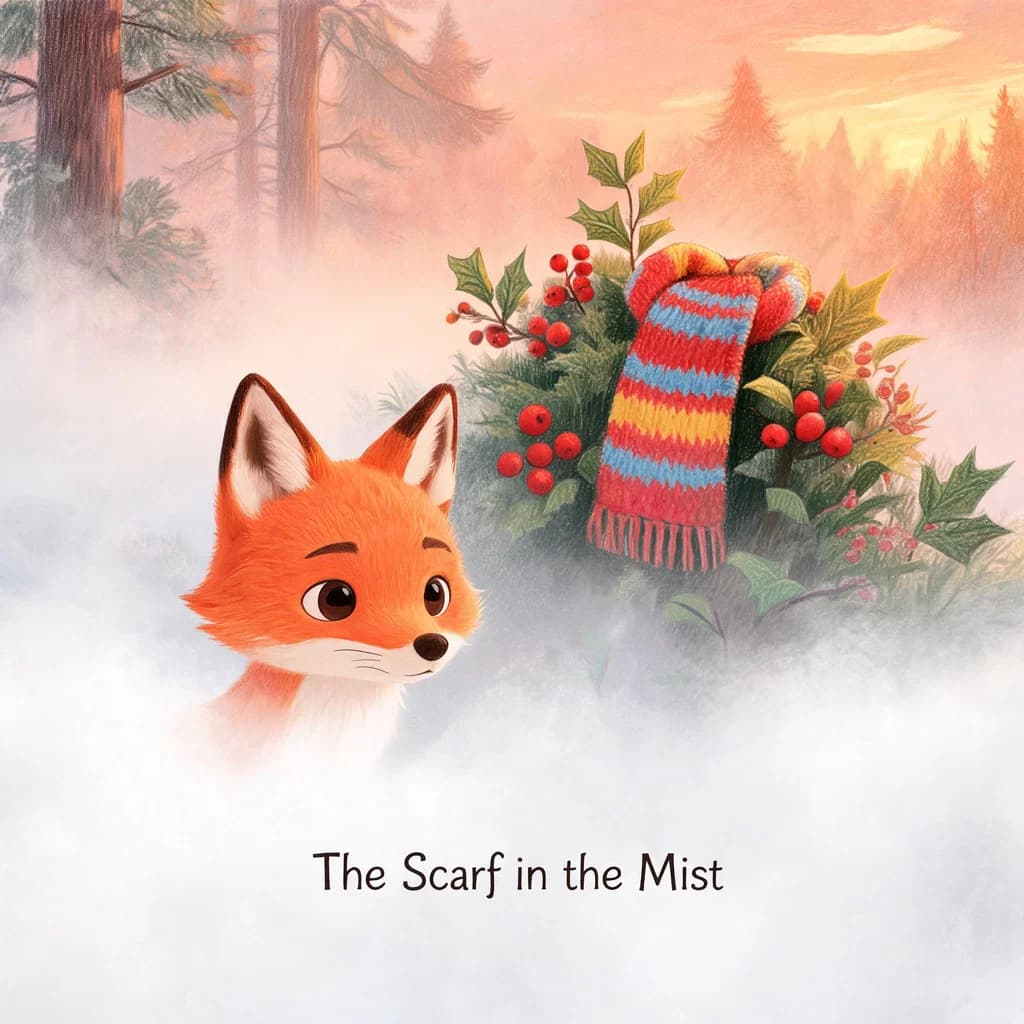
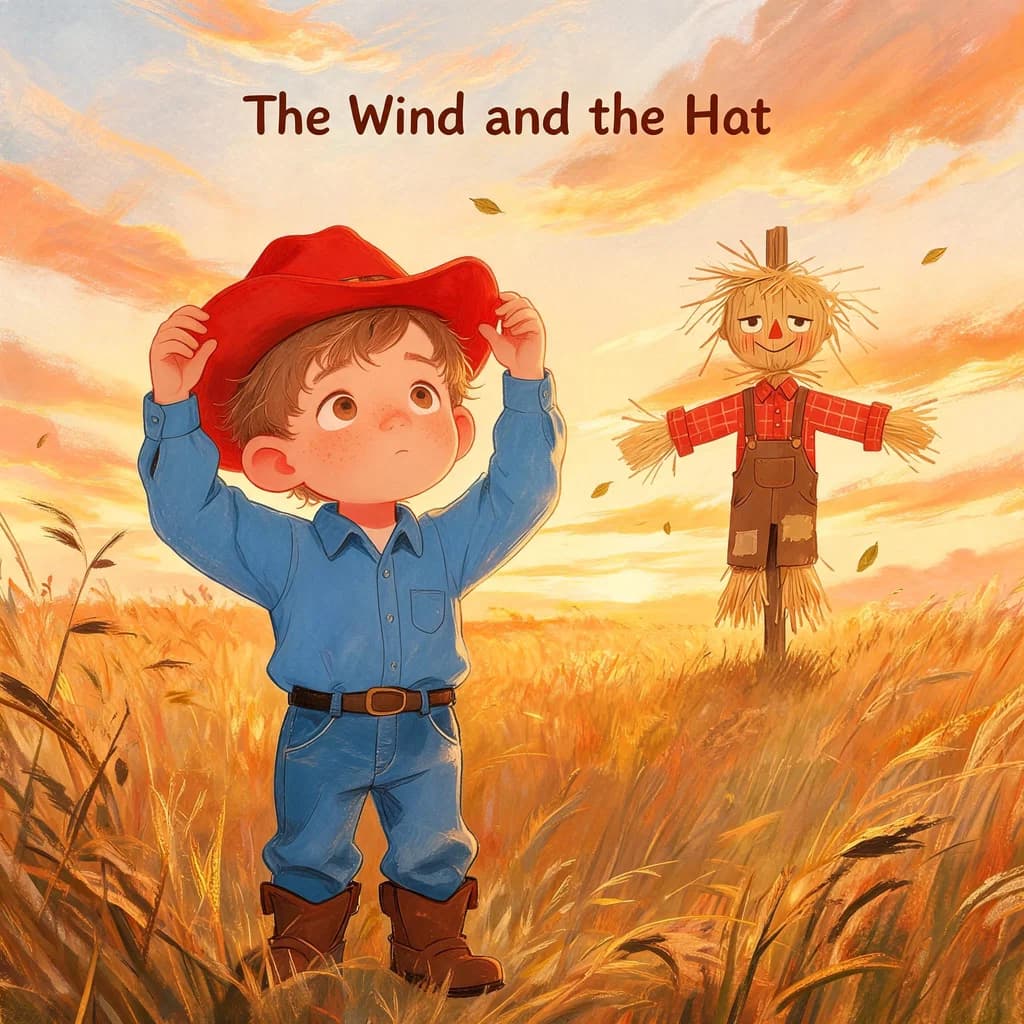
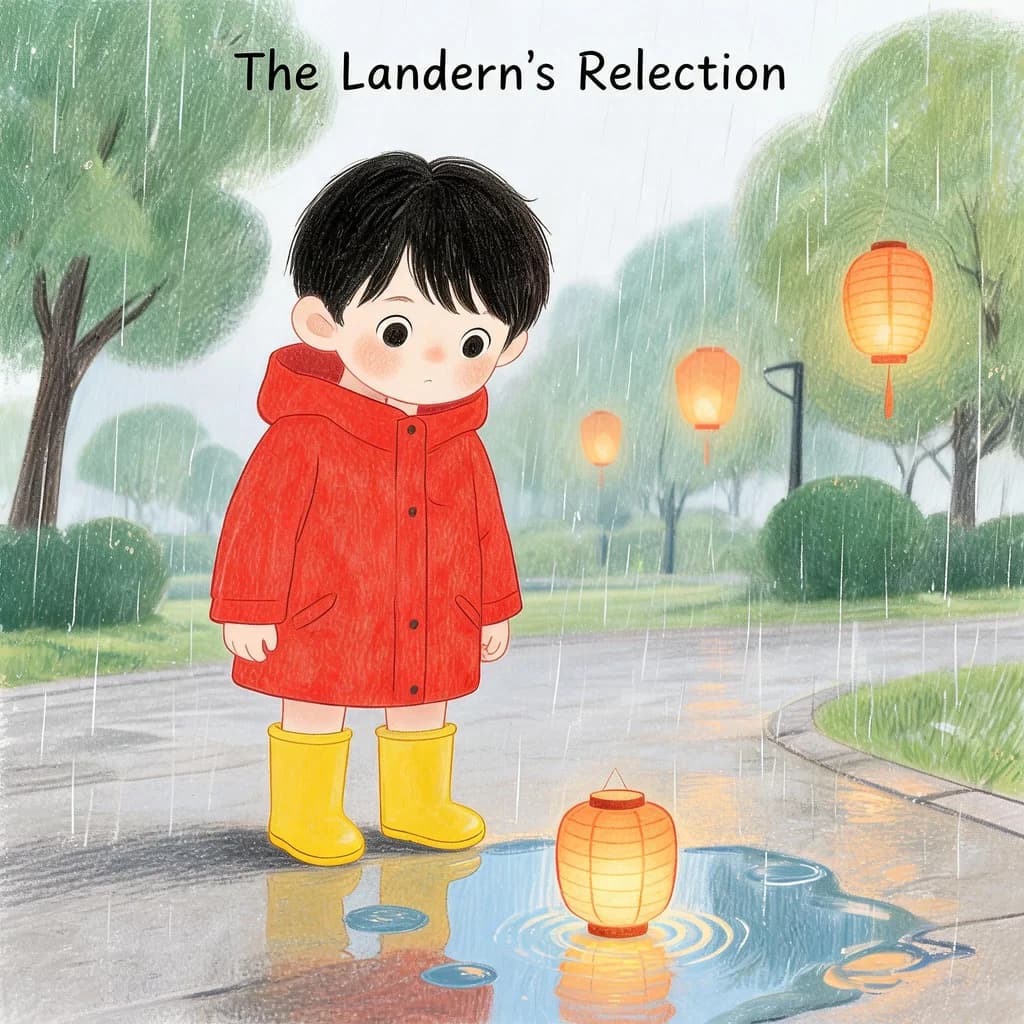
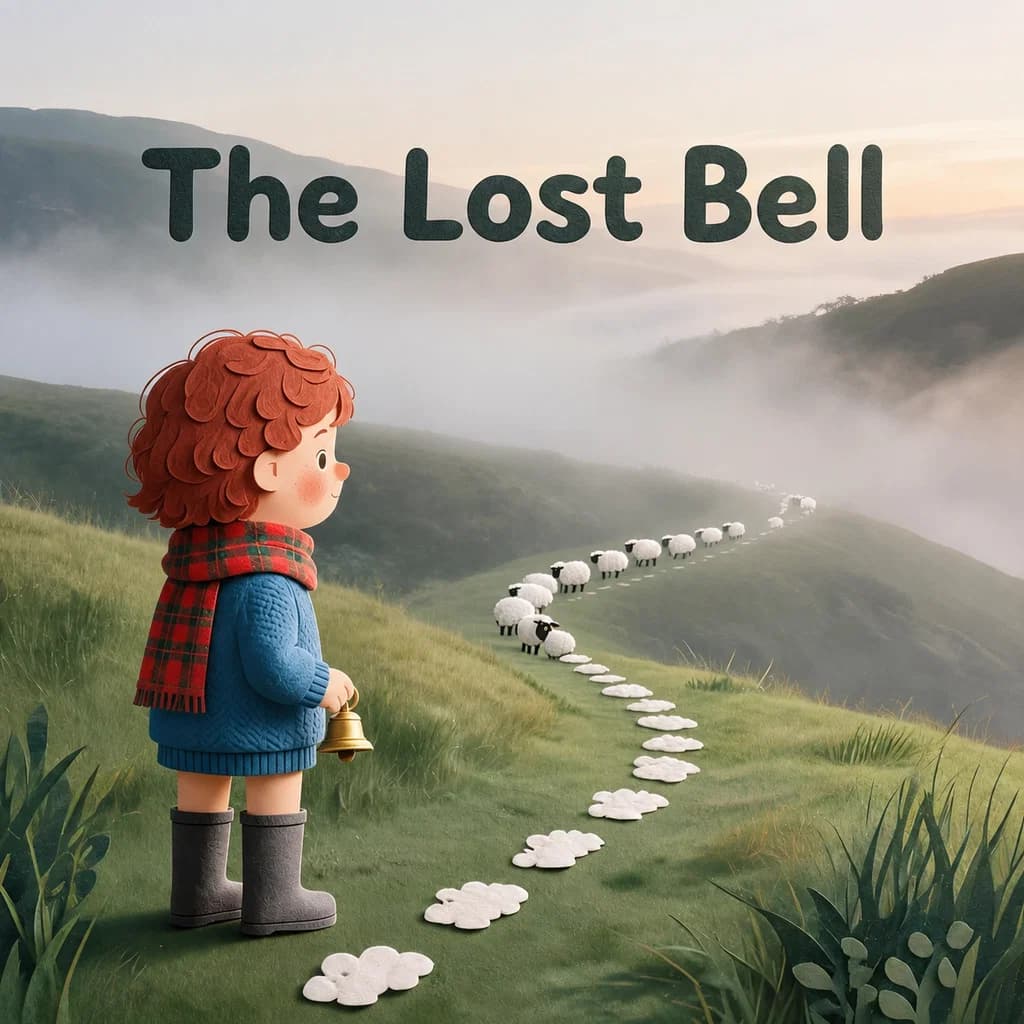
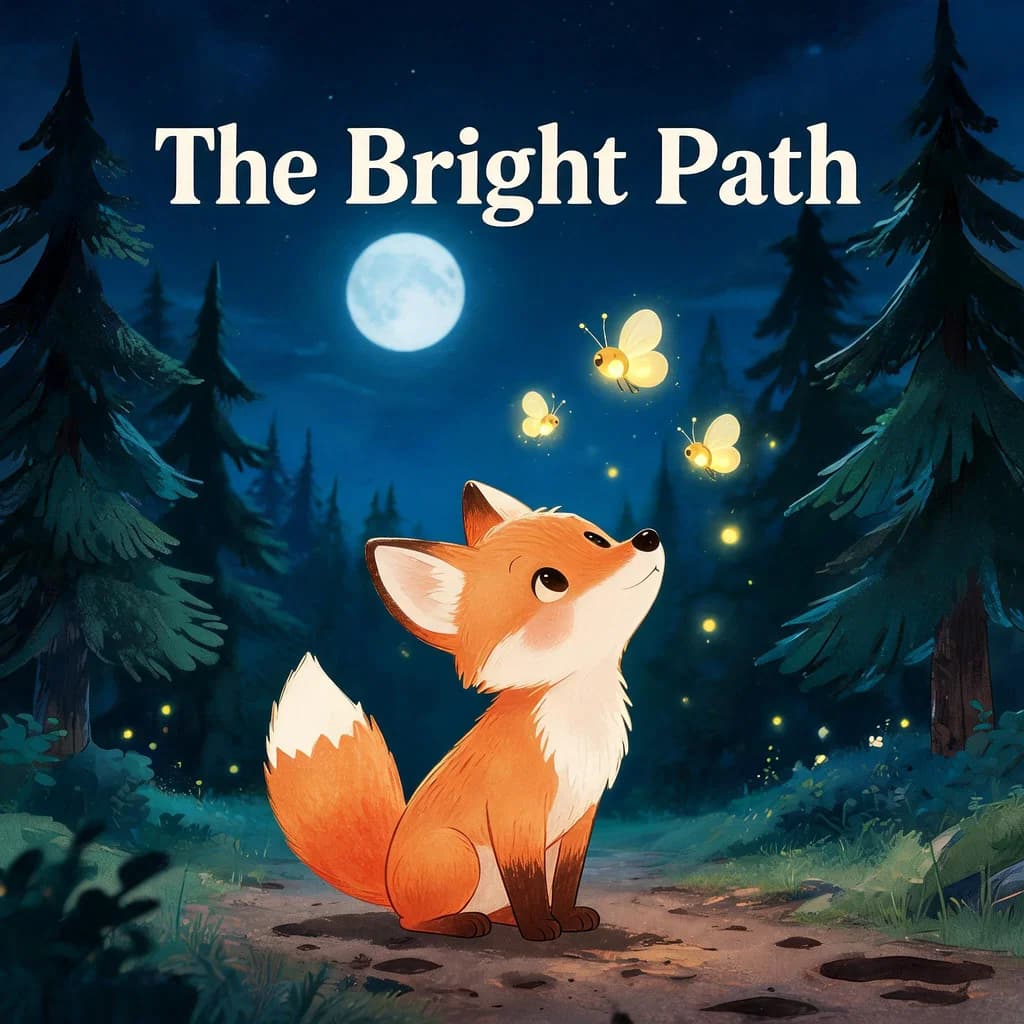
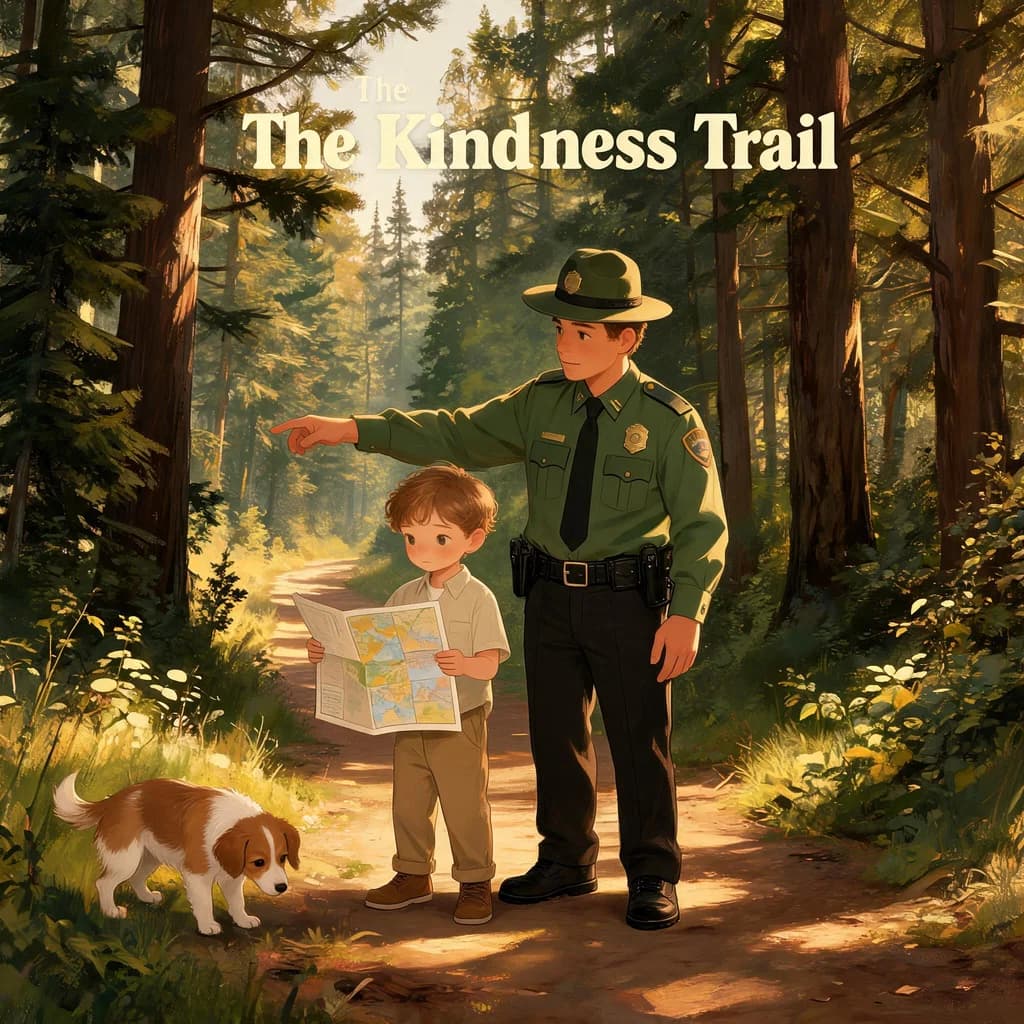
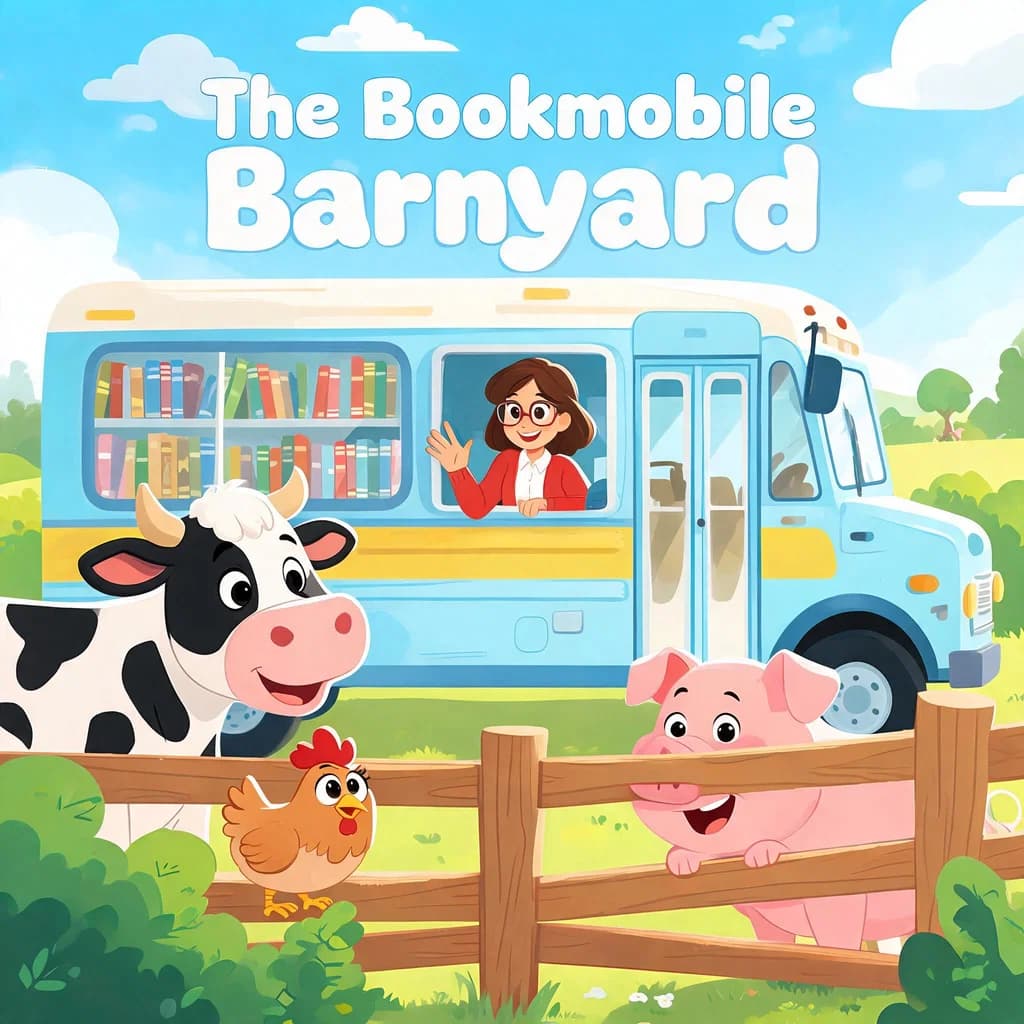
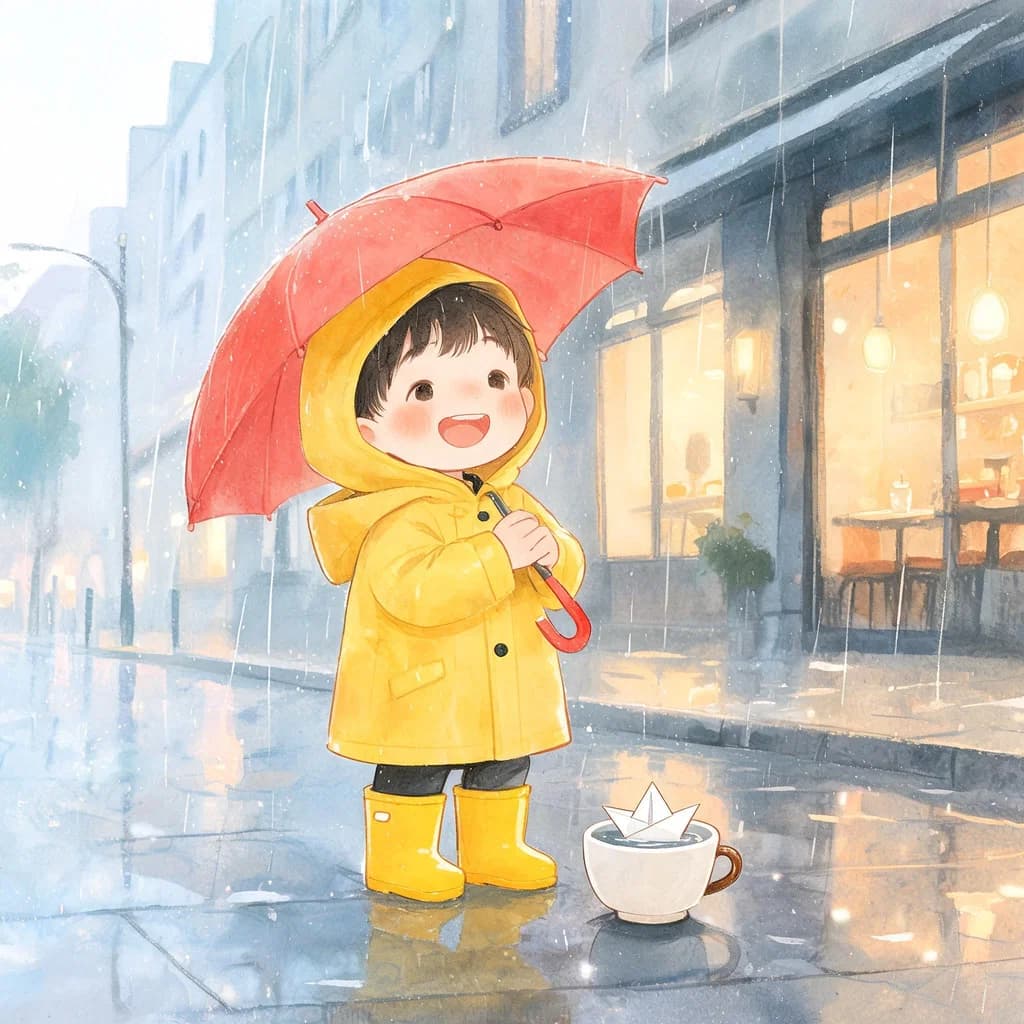
Drop in a name, pick an age and a style — our AI writes and illustrates a brand-new children's book in under three minutes.
Use wordless picture books for early readers to support sequencing, observation, retelling, and story confidence.
Read collectionUse wordless picture books for classroom discussion, prediction, sequencing, visual literacy, and talk about feelings and actions.
Read collectionCreate wordless picture books about feelings with expressive characters, emotional shifts, and child-friendly visual scenes.
Read collectionCreate a wordless picture book online with expressive scenes, visual storytelling, and a complete child-friendly story arc.
Read collection