Classroom visual literacy stories

Wordless Picture Books for Classroom Discussion

Use visual stories to invite observations, predictions, retelling, and thoughtful talk across reading levels.

Why teachers use wordless picture books

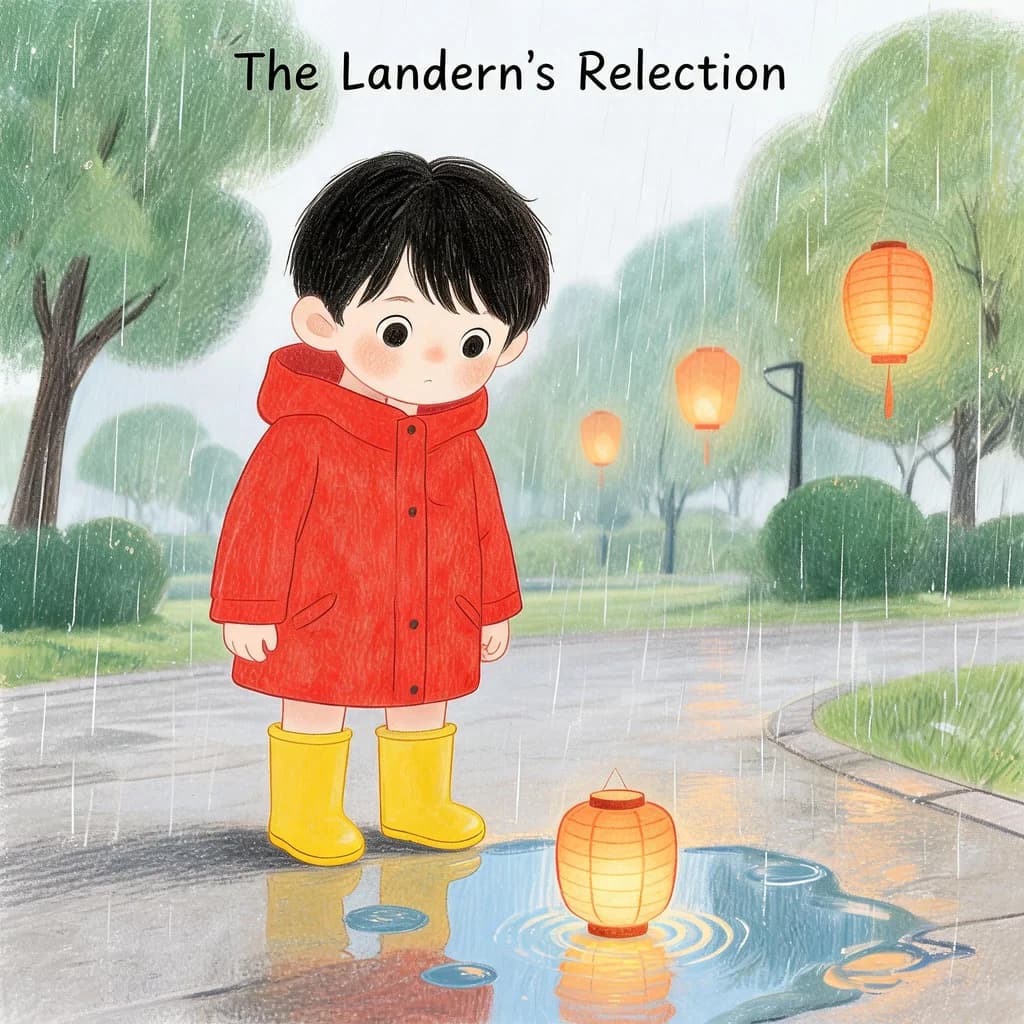
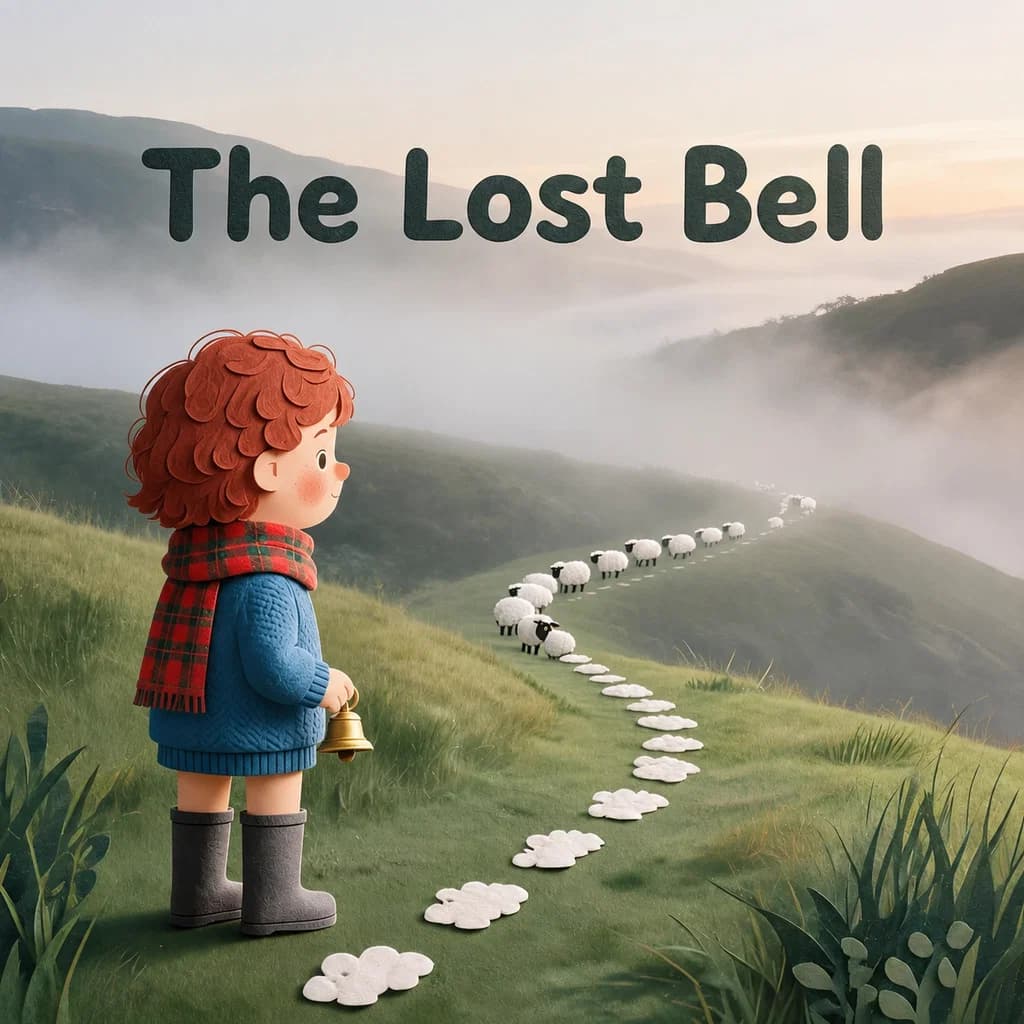
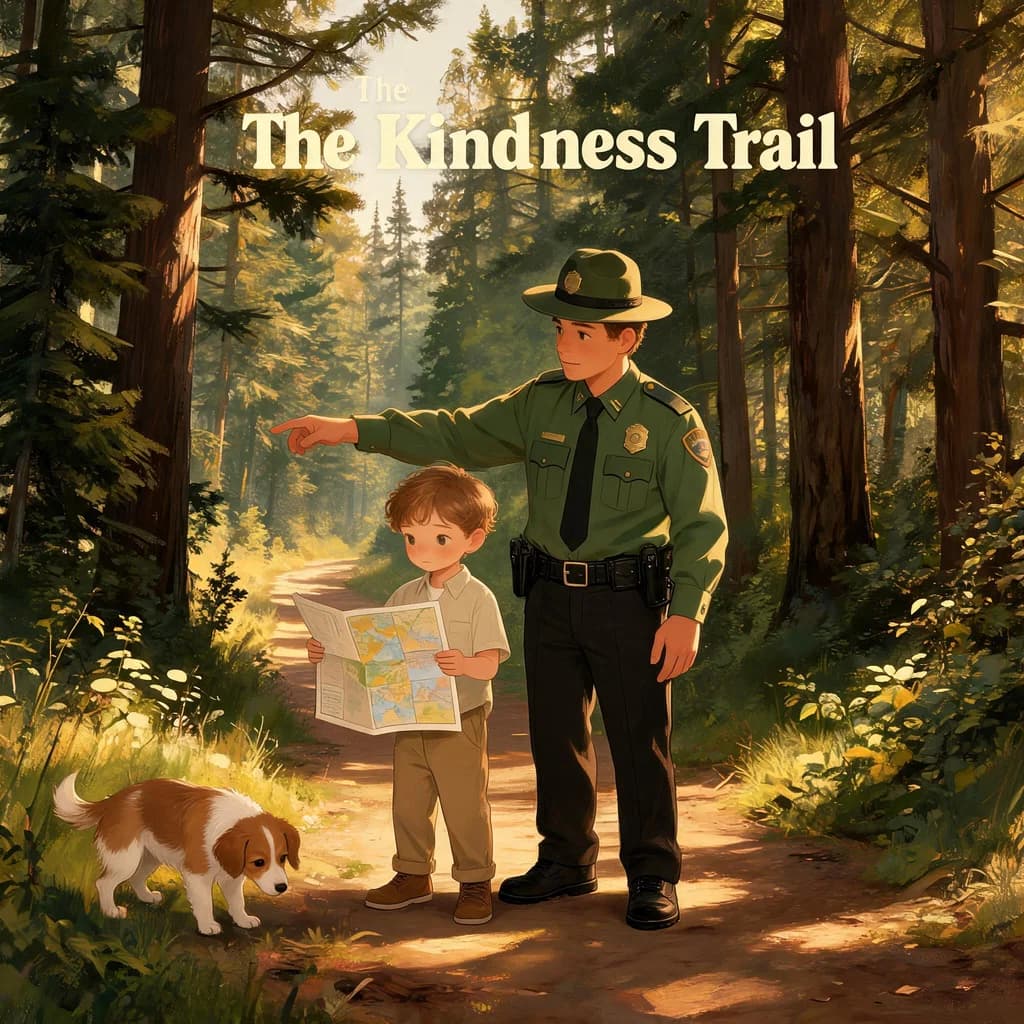
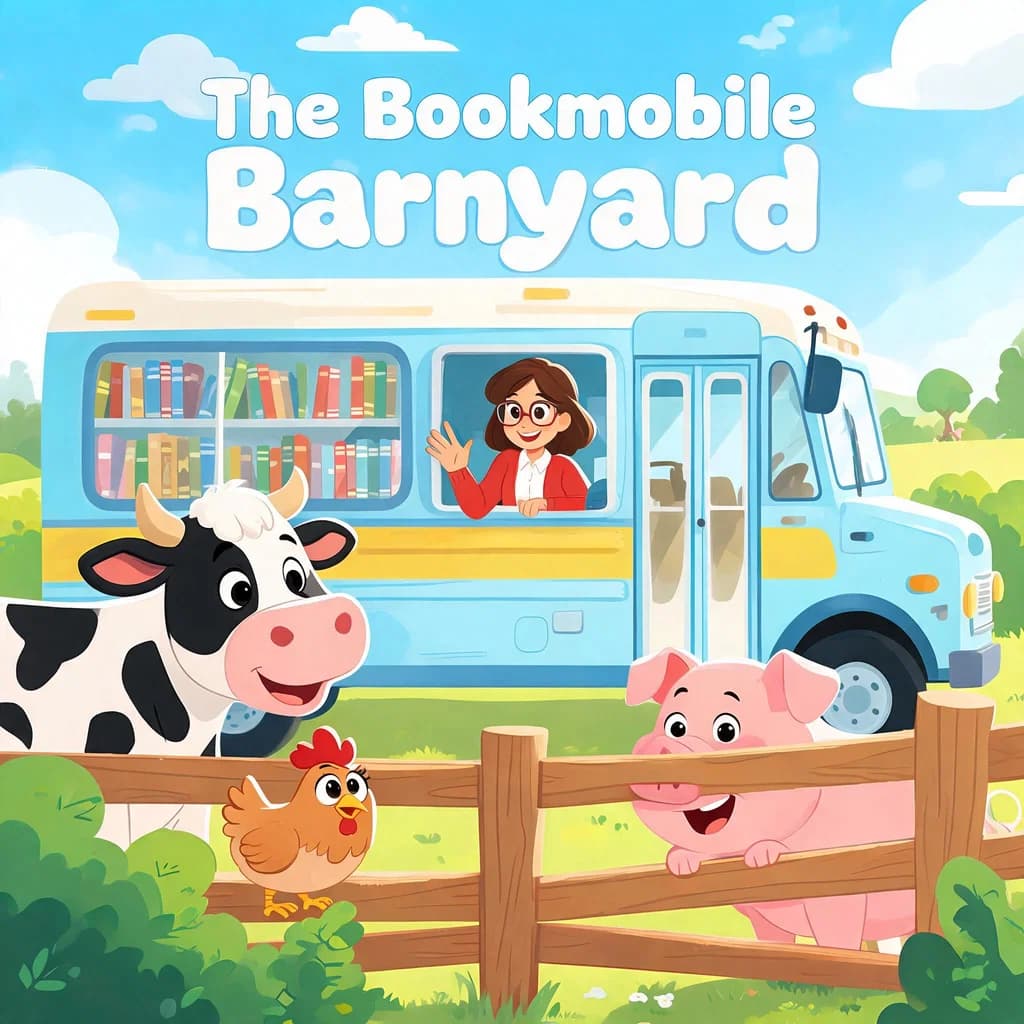
Wordless picture books for classroom discussion give every student something visible to respond to. Students can point to evidence on the page, describe character feelings, and explain what they think happened.

Classroom activities that work well

Use a wordless book for prediction, partner talk, sequencing cards, oral retelling, writing prompts, or emotion vocabulary. The same visual story can support different ability levels.

Create a classroom-ready visual story

ChildrenBooks can create wordless picture books with clear scene changes and readable visual clues, making them useful for whole-group or small-group discussion.
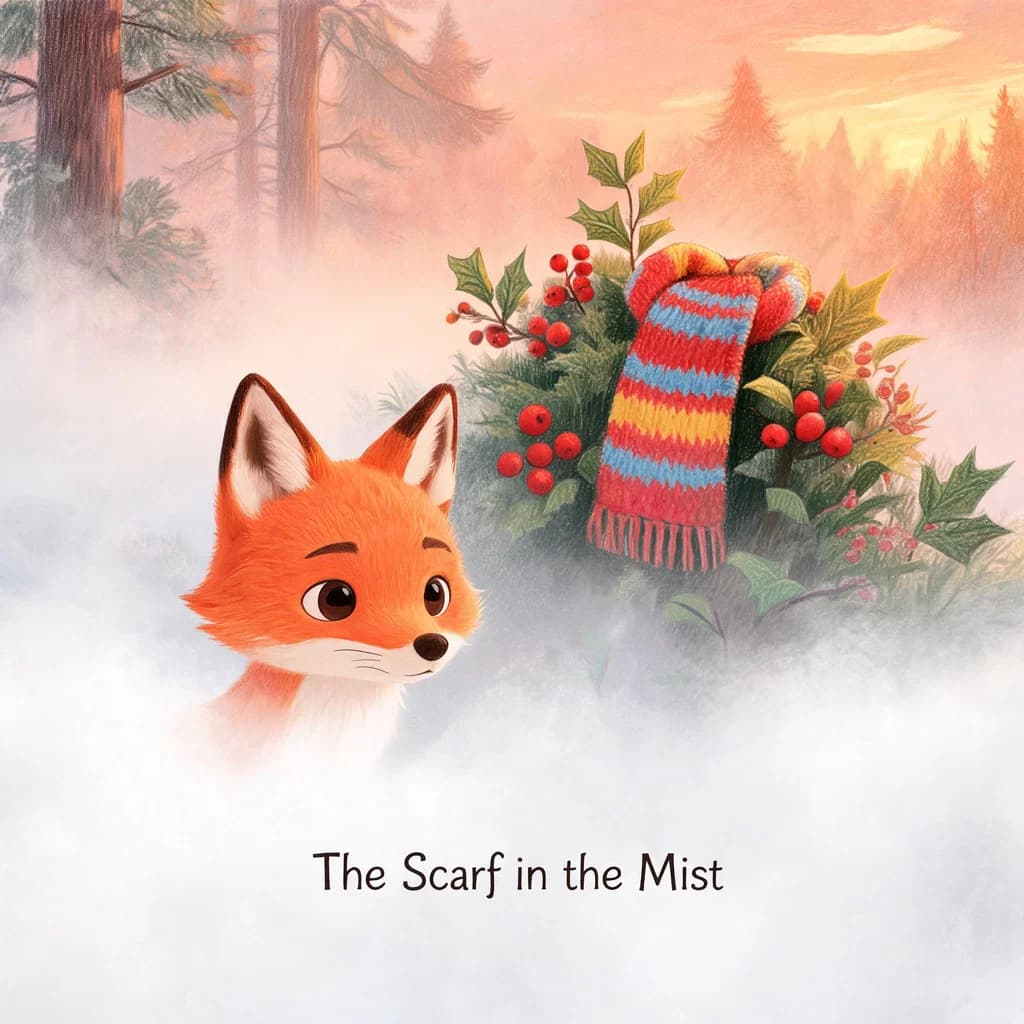
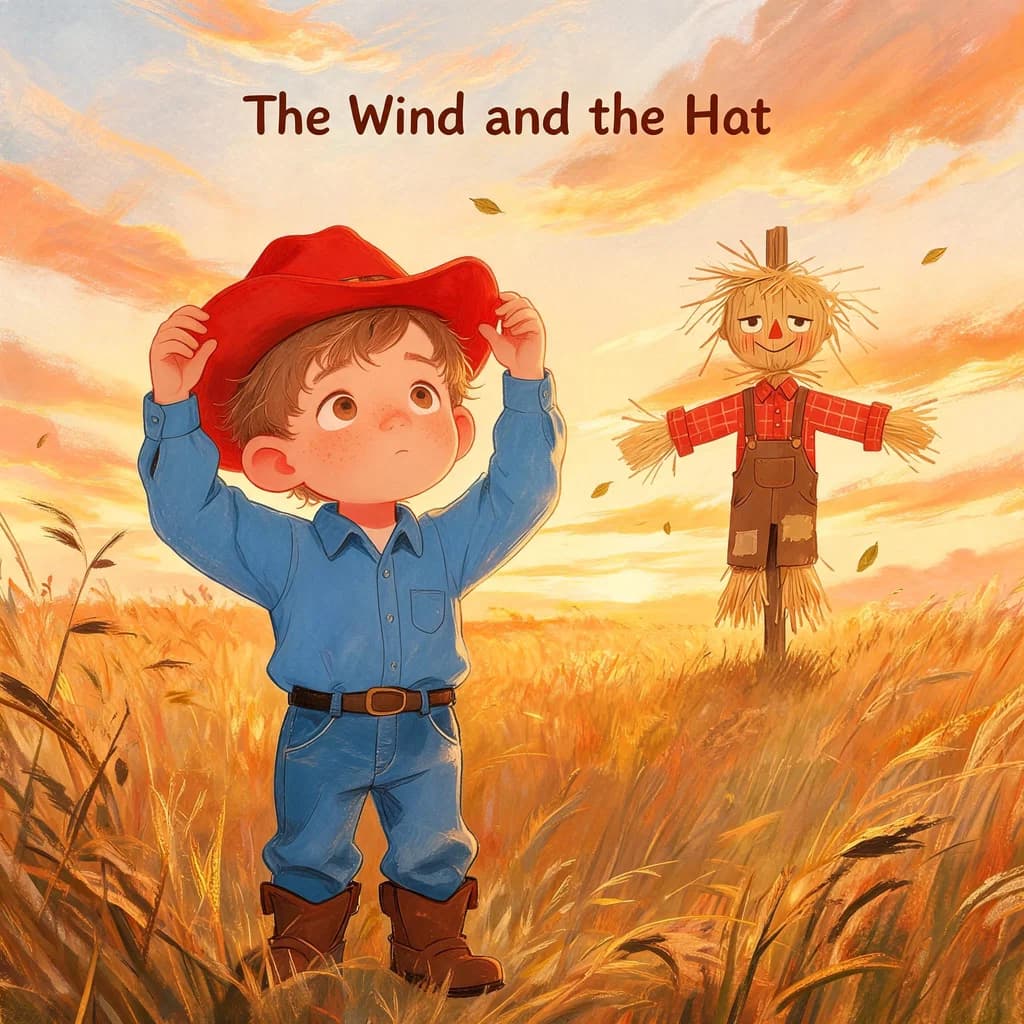
Generate a visual story for classroom talk and retelling.

Drop in a name, pick an age and a style — our AI writes and illustrates a brand-new children's book in under three minutes.

Frequently Asked Questions

Are wordless books useful for teachers?
Yes. They support discussion, visual literacy, retelling, prediction, and evidence-based talk.
Can mixed reading levels use the same wordless book?
Yes. Students can participate through observation even if their text reading levels differ.
What should a classroom wordless book include?
Clear scenes, expressive characters, visible cause and effect, and enough detail for discussion.