What are wordless picture books for kids?
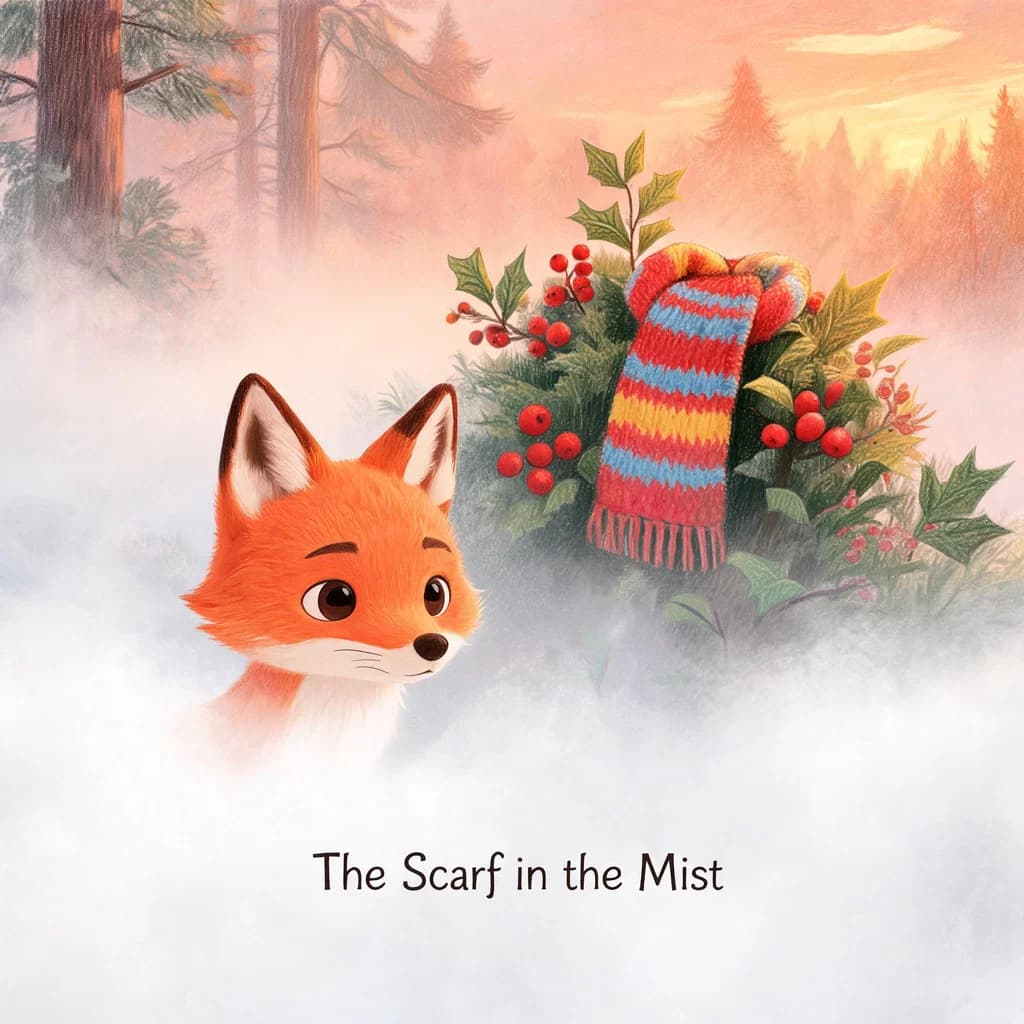
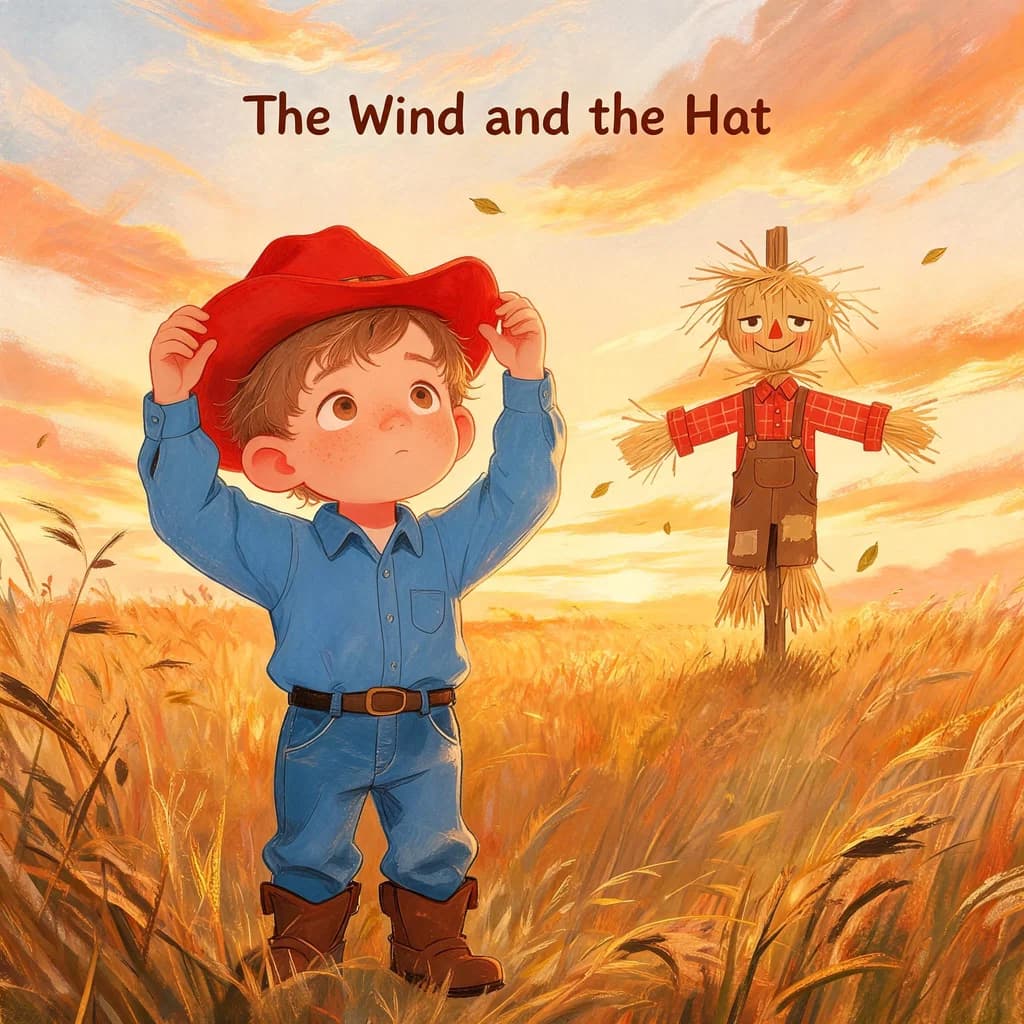
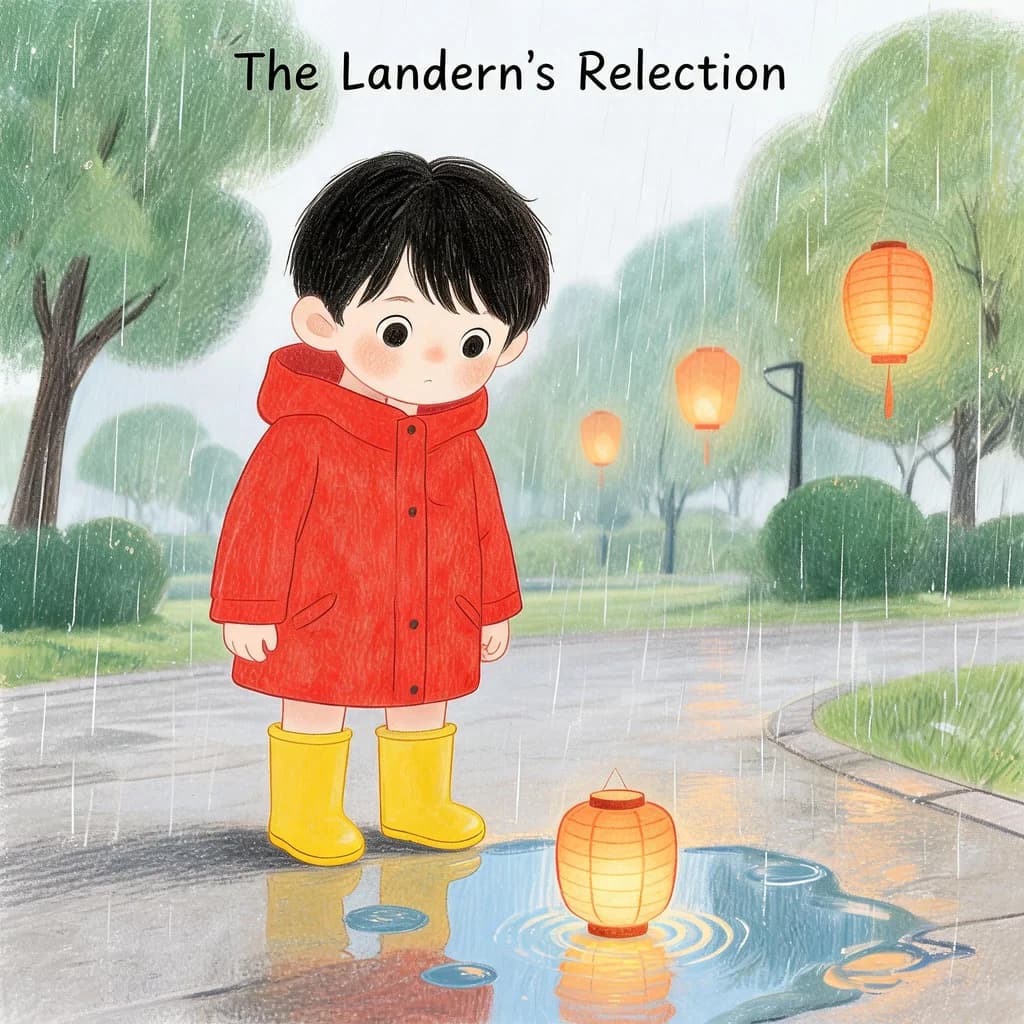
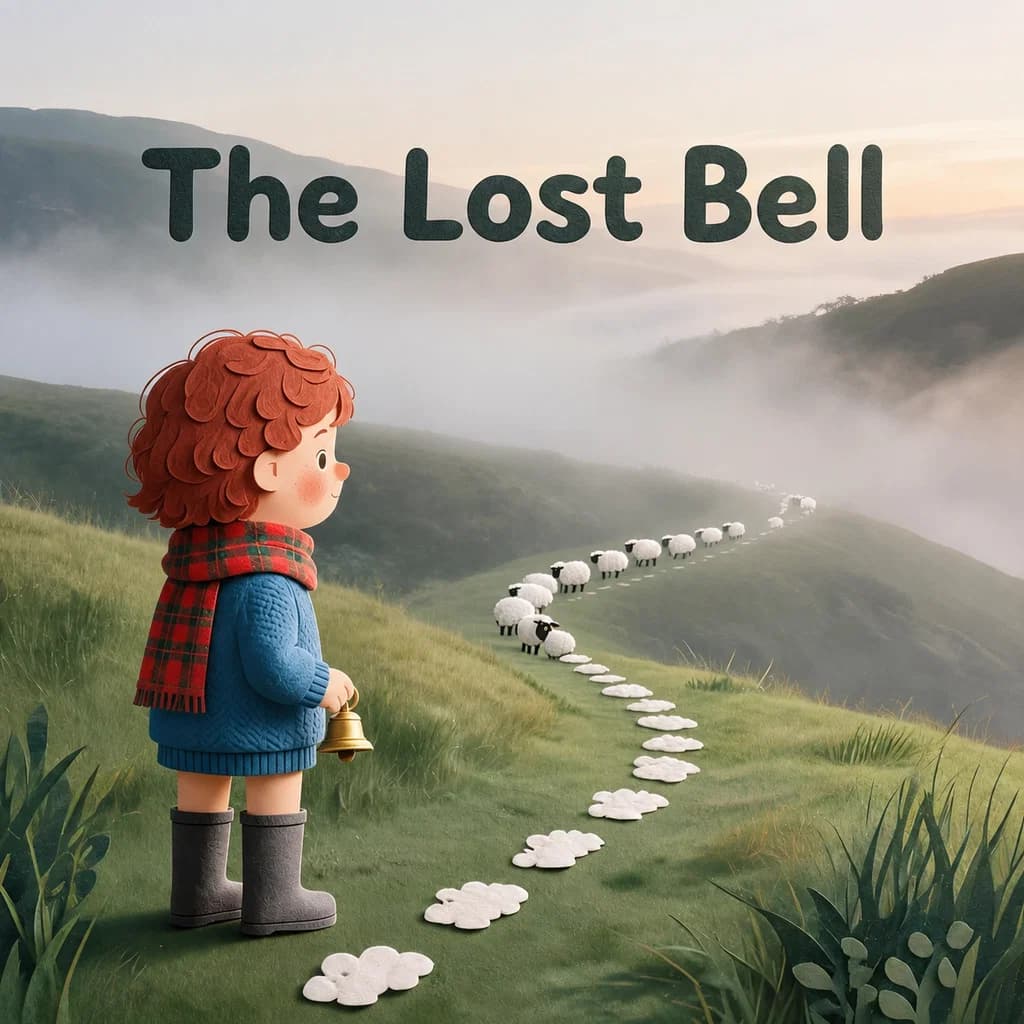
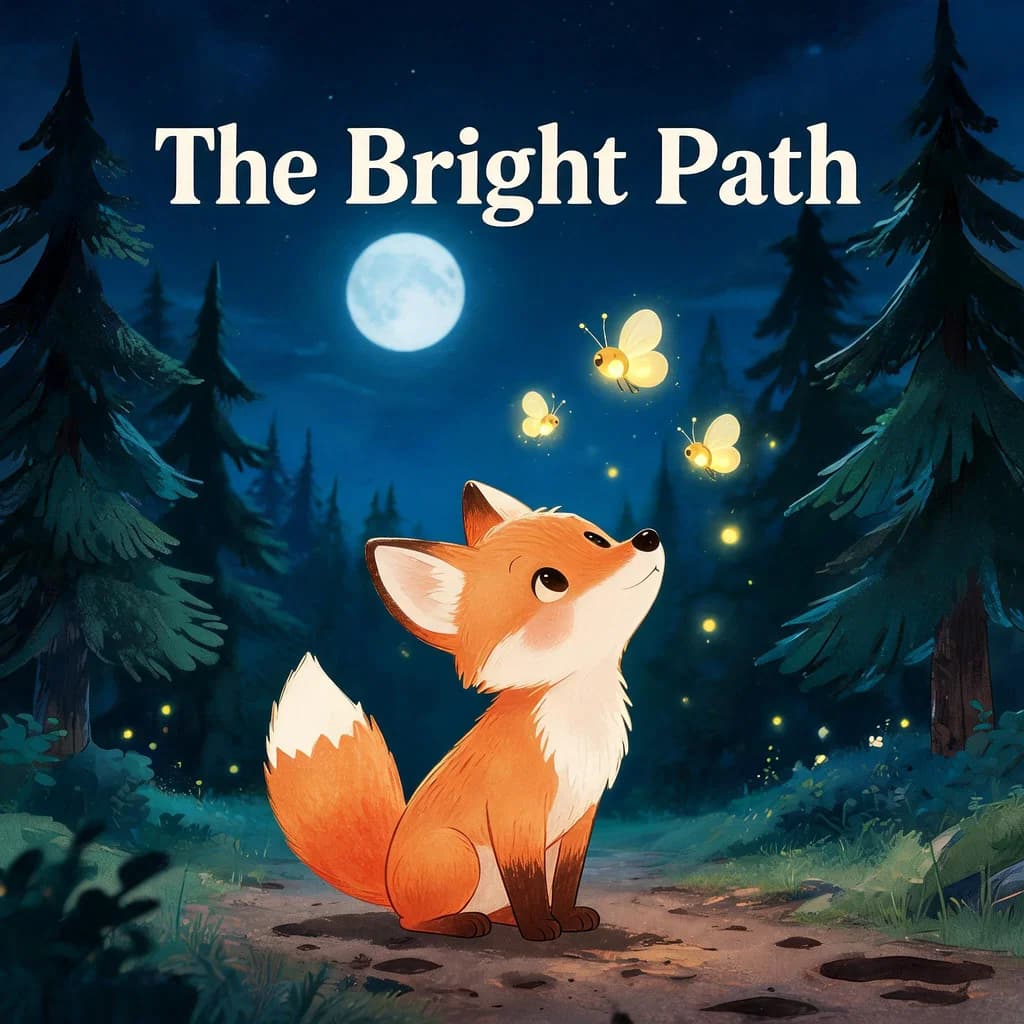
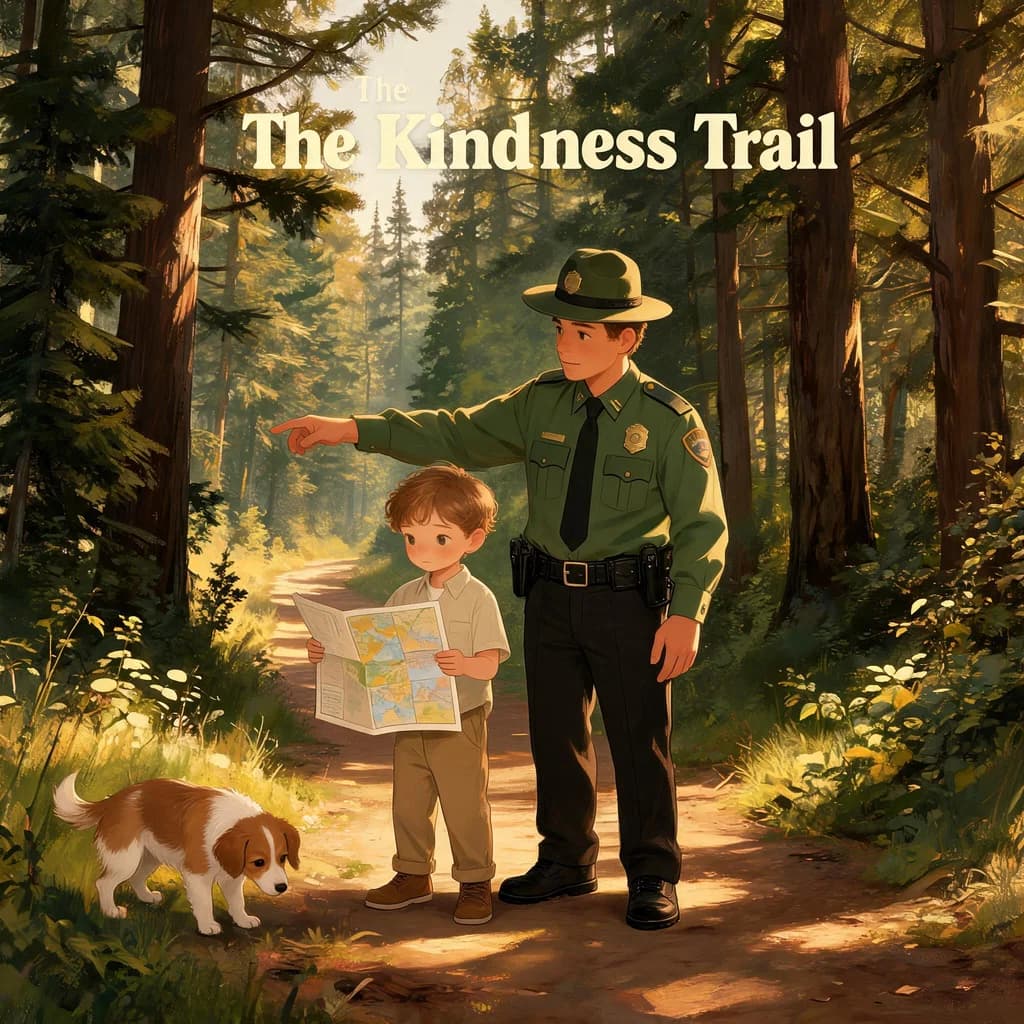
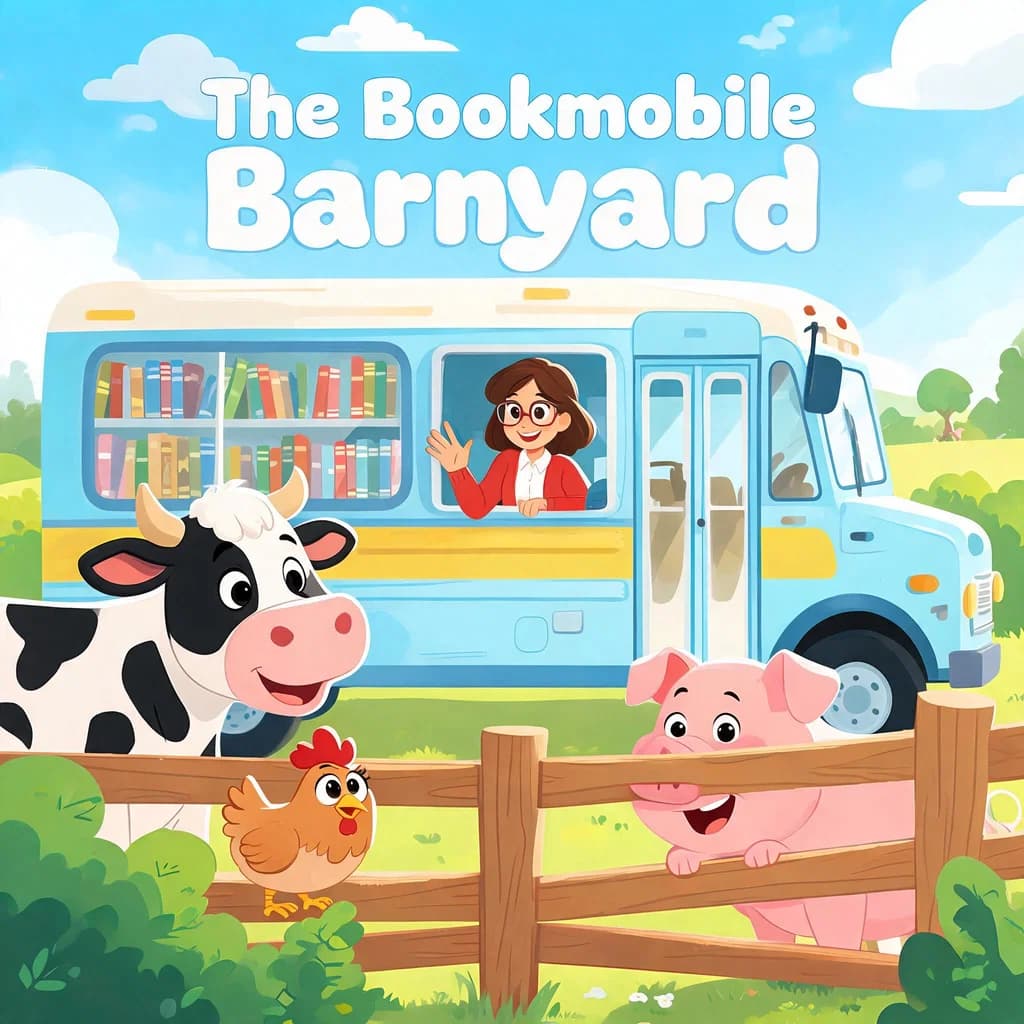
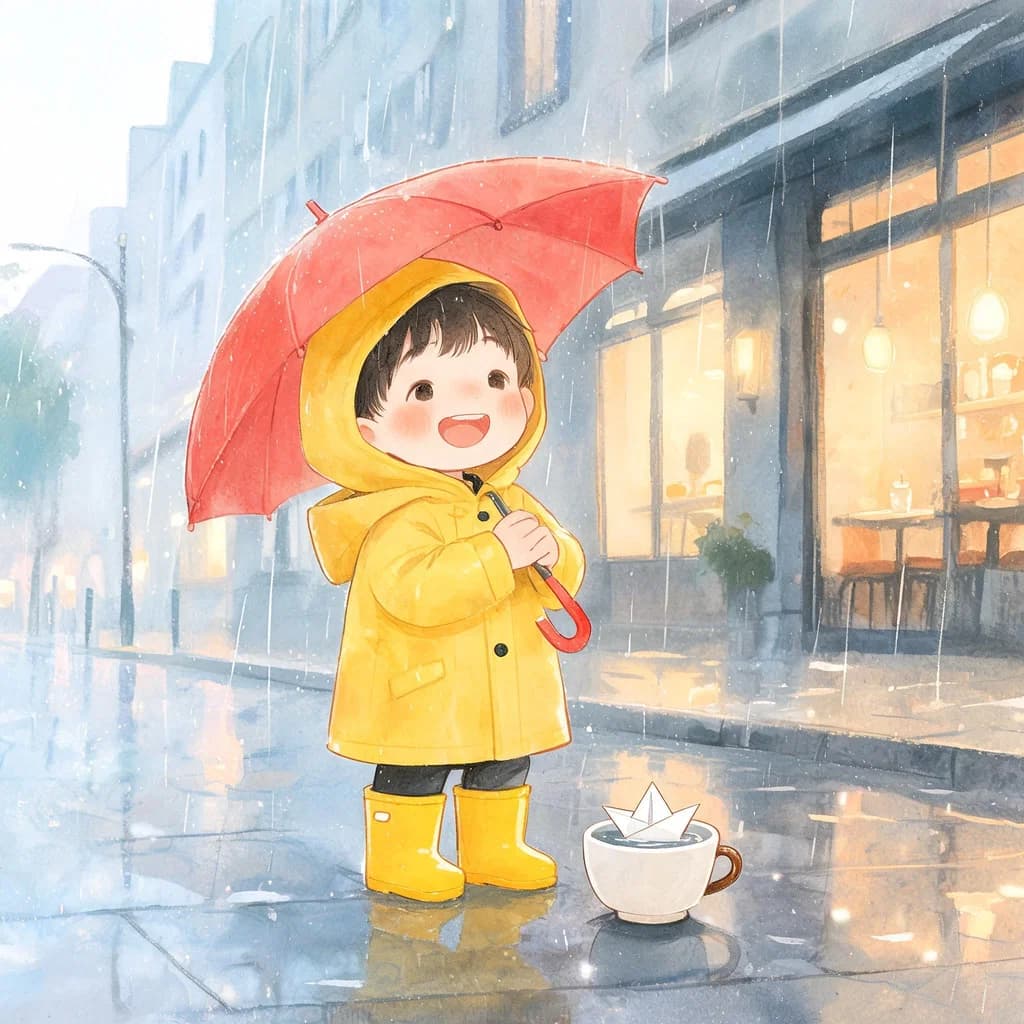
Wordless picture books for kids tell a full story through illustrations instead of printed sentences on every page. Children follow the plot by watching expressions, actions, scene changes, and small visual details. That makes wordless books useful for visual storytelling, conversation, prediction, and rereading.
- No printed story text on the main pages
- Children retell the story in their own words
- Useful for home reading, preschool, and classroom discussion
Why parents and teachers use wordless picture books
Parents often use wordless picture books when they want a calmer reading experience, especially at bedtime or during quiet reading time. Teachers and speech-language educators often use them for storytelling practice, sequencing, vocabulary building, and discussion about feelings and actions. Because the story is carried by images, the same book can work in different ways for different children.
- Supports storytelling and oral language practice
- Helps children notice emotions and cause-and-effect
- Works well for mixed reading levels
Who are wordless picture books best for?
Wordless picture books are especially useful for preschoolers, early readers, children who enjoy visual details, and families who like open-ended read-aloud conversations. They also work well for children who want to participate in the story instead of only listening to it. Many adults use them as gentle visual stories for ages 4 to 7, though older children can enjoy them too.
- Preschoolers and early readers
- Children who enjoy picture-led storytelling
- Families looking for quiet bedtime books
Create a wordless picture book online
ChildrenBooks lets you create a wordless picture book online with a clear visual story arc, expressive characters, and scene-by-scene illustration. You can start from a simple theme, choose an age range and visual style, and generate a book that feels personal without depending on page-by-page text. This makes it useful for bedtime, classroom story prompts, or personalized visual storytelling.
- Choose a theme and age range
- Generate a visual story with a beginning, middle, and end
- Read and revisit the same story in different ways