Key Points
- 1Why a 1000 Word Short Story is Ideal for Kids
- 2Understanding Length: From Micro Stories to Flash Fiction
- 3Crafting the Perfect Short Story Plot for Young Audiences
- 4Exploring Examples: Literature Short Story Samples for Inspiration
- 5Encouraging Young Authors: Fresh Stories to Write Today
The Magic of the 1000 Word Story: A Guide for Kids
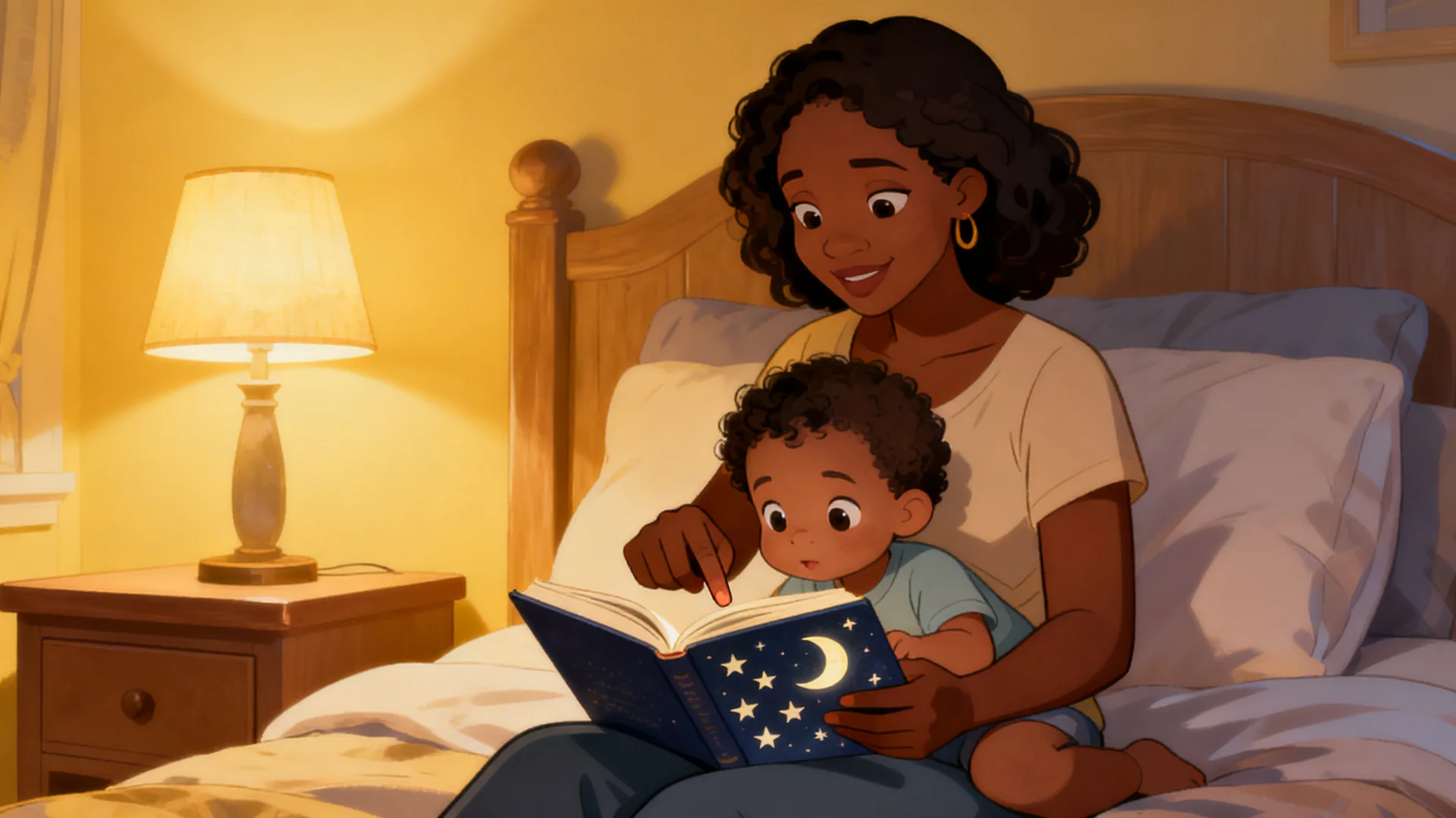
Finding the right balance in children's literature is key, and the 1000 word story offers a perfect gateway for developing minds. Whether you are a parent searching for a short story of 1000 words for bedtime or a teacher looking for flash fiction examples to inspire students, this length provides enough depth for a short story plot without overwhelming the reader. From micro stories to a complete 1000 word short story, mastering this format helps bridge the gap between simple picture books and longer novels, creating fascinating short stories that stick.
Why a 1000 Word Short Story is Ideal for Kids
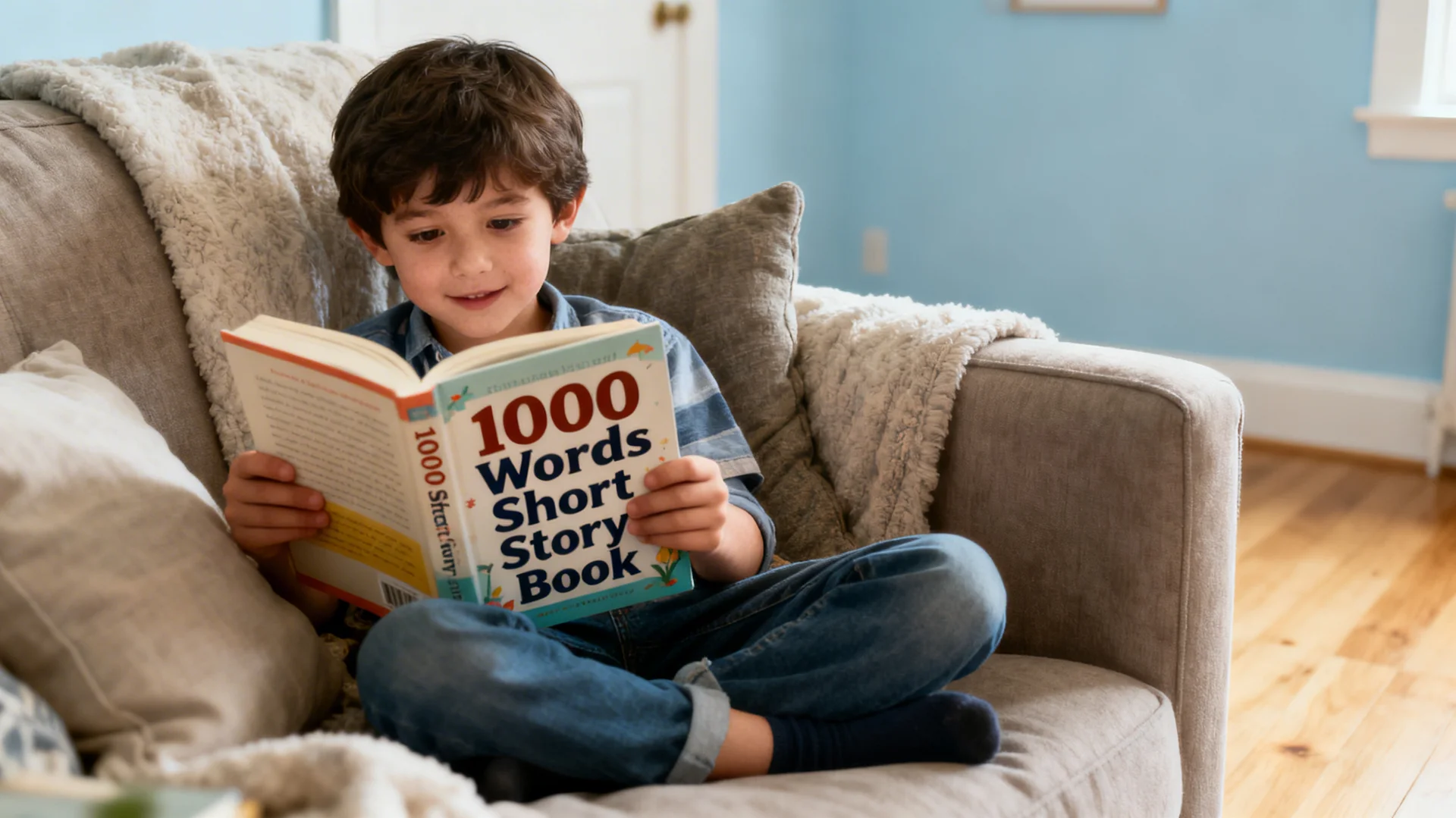
For young readers transitioning from picture books to chapter books, the 1000 word short story is a "Goldilocks" length—not too short to be vague, and not too long to lose their focus. At this age, attention spans are still developing, and a very short story provides a sense of accomplishment upon completion.
A flash fiction short story around this length allows for a complete narrative arc, including a clear beginning, middle, and end, which is essential for building literacy and comprehension skills in children.
Understanding Length: From Micro Stories to Flash Fiction
In the world of literature, word counts can be confusing. When exploring options for children, you might encounter different terms:
Micro stories
Often under 300 words, perfect for quick morning exercises.
Flash fiction length
Generally ranges from 300 to 1,000 words.
Short stories
Can extend much further, but for kids, the short story of 1000 words is the ultimate benchmark.
Many educators ask, how long is flash fiction exactly? While the flash fiction word count is flexible, staying near 1,000 words ensures there is enough room for character development while keeping the flash fiction length manageable for an afternoon reading session.
At www.childrenBooks.online, we understand how word count affects the reading experience. Our library carefully curates each flash fiction short story to ensure the content is engaging and perfectly aligned with a child's cognitive load.
Crafting the Perfect Short Story Plot for Young Audiences
Teaching children how to write flash fiction is a brilliant way to sharpen their creative thinking. Because the story words are limited, they must learn to make every sentence count. A successful short story plot for kids should focus on one main conflict and a clear resolution.
Encourage them to focus on vivid "action" words. Since they only have a 1000 word short story limit, they can't spend three pages describing a forest; they must learn to show, not just tell, using powerful, concise language.
Exploring Examples: Literature Short Story Samples for Inspiration
The best way to learn is by looking at a short story example. Classic literature short story pieces often use the 1,000-word format to deliver a singular, powerful moral or emotional punch. By reviewing various fiction samples, children can see how professional authors handle pacing and dialogue.
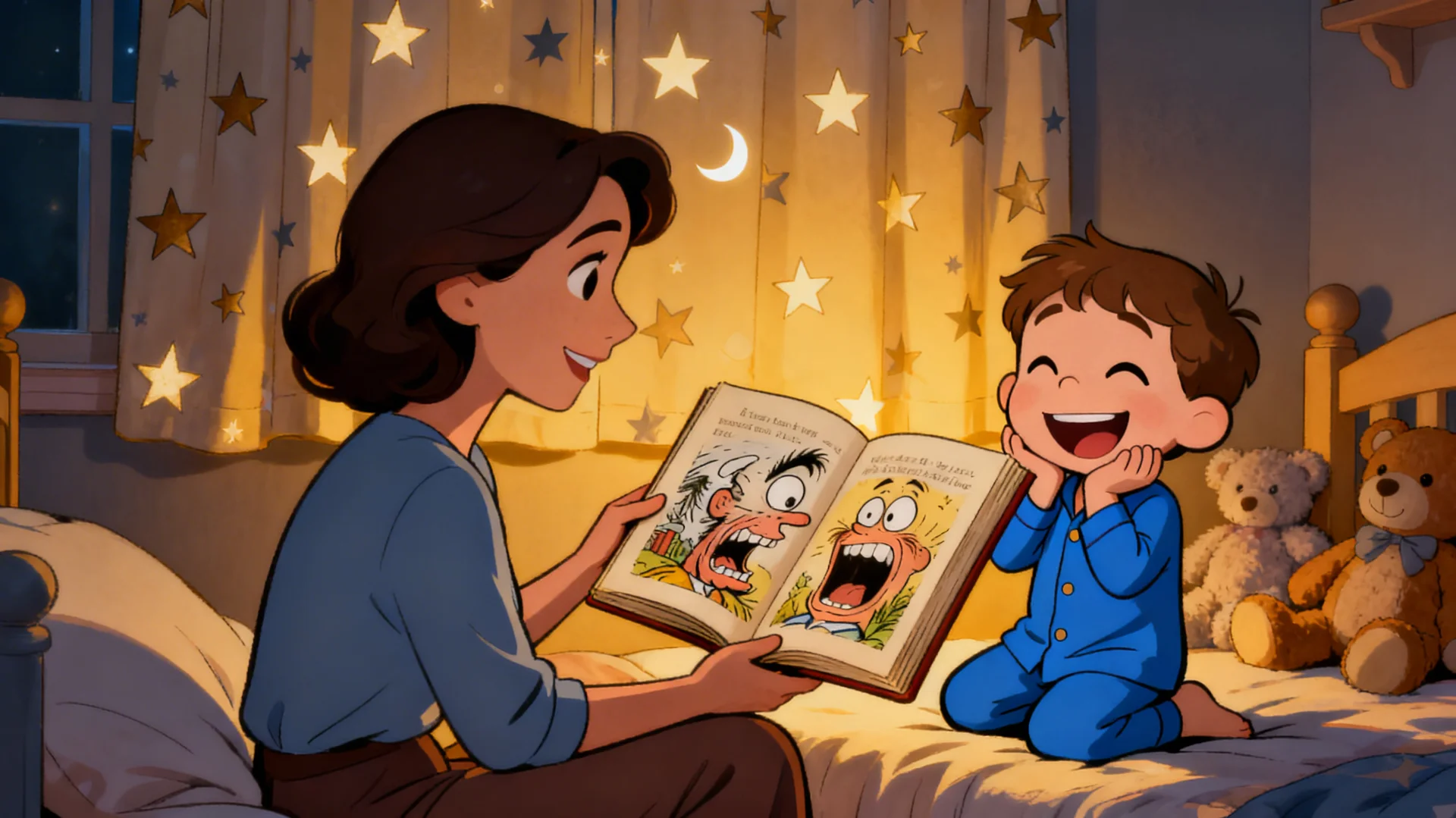
Reading fascinating short stories together can be a bonding experience. Analyze a short story example with your child and ask: "What was the turning point?" or "How did the character change?" This turns a simple reading session into a deep learning moment.
If you are looking for a specific short story example or fresh stories to write for your next lesson, www.childrenBooks.online offers an extensive interactive library that serves as the perfect inspiration hub for young authors.
Encouraging Young Authors: Fresh Stories to Write Today
Every great writer starts with a single example of fiction short story. To get started, give your child a prompt and suggest they try writing 300 word short stories first. Once they are comfortable, they can expand their ideas into a full short story of 1000 words.
Whether they are writing about a space adventure or a talking pet, the goal is to enjoy the process. Providing them with stories to write helps build a lifelong habit of creativity and expression.