Preschool feelings stories

Feelings Stories for Preschoolers

Help young children name feelings through short stories, familiar preschool moments, and simple actions they can practice with a grown-up.

Short stories for naming feelings

Feelings stories help preschoolers connect words like happy, worried, frustrated, proud, and calm to real moments. The goal is not to fix every feeling, but to give children language they can use with a parent or teacher.

  • Best for ages 3-6
  • Useful for home, preschool, and SEL lessons
  • Works well with printable feeling cards or worksheets

What makes a preschool feelings story useful

Keep the story concrete. Show one everyday situation, name the feeling, describe one body clue, and offer one simple action such as breathing, asking for help, taking a break, or trying again.

  • One feeling per scene
  • Simple words a preschooler can repeat
  • A calm adult who helps without shame

Example story idea

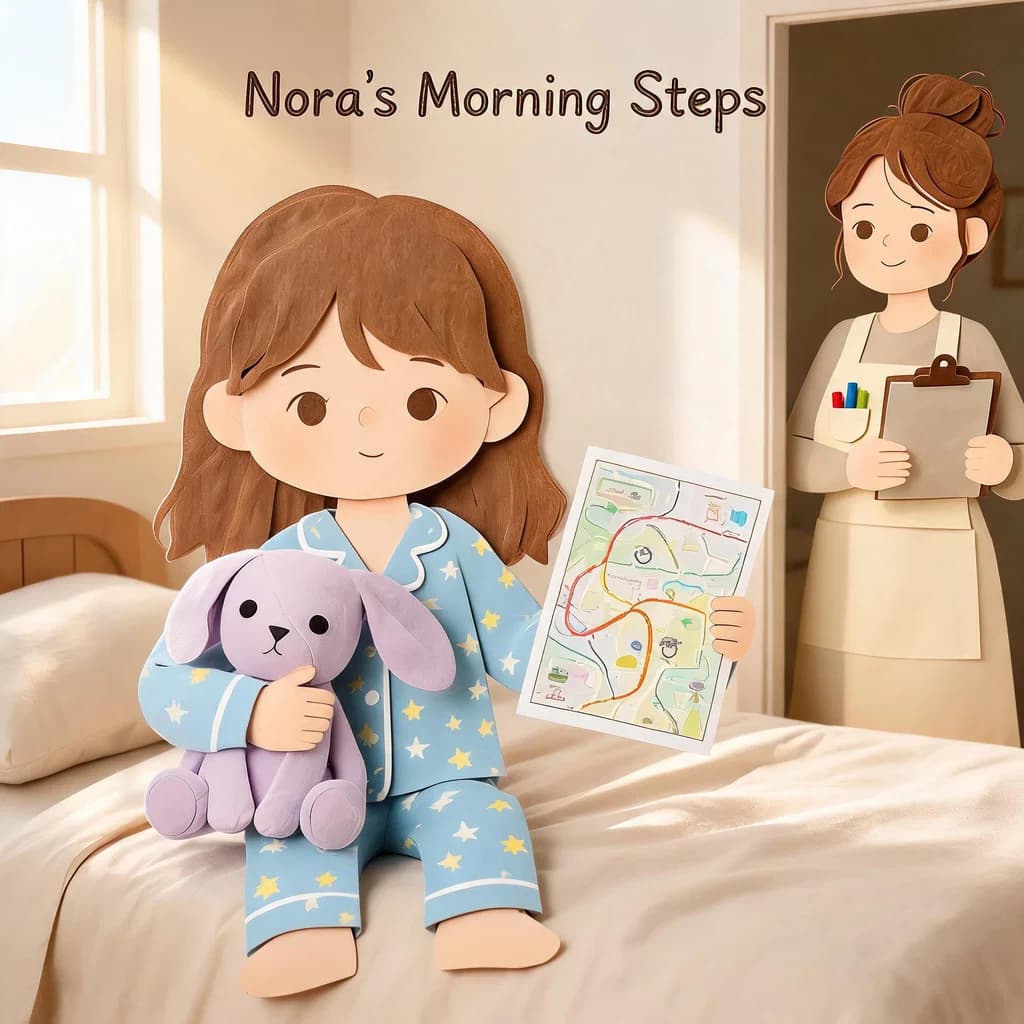
A preschooler feels worried when it is time to join a new activity. A teacher helps the child name the feeling, take one slow breath, watch for a moment, and then try the activity with a friend.

Create a custom feelings story

Use the storybook generator to make a feelings story about your child's real moment: drop-off, sharing toys, losing a game, waiting, cleanup time, or trying something new.

できるまでを見る

ひとつのアイデアから、一冊の絵本へ

下のリストにある実際の絵本です。たった一文が、イラストと読み聞かせ付きのページになるまでをご覧ください。次はあなたの番です。

  1. 1あなたのアイデア
  2. 2AI処理
  3. 3イラスト
  4. 4完成した本
Create a custom storybook
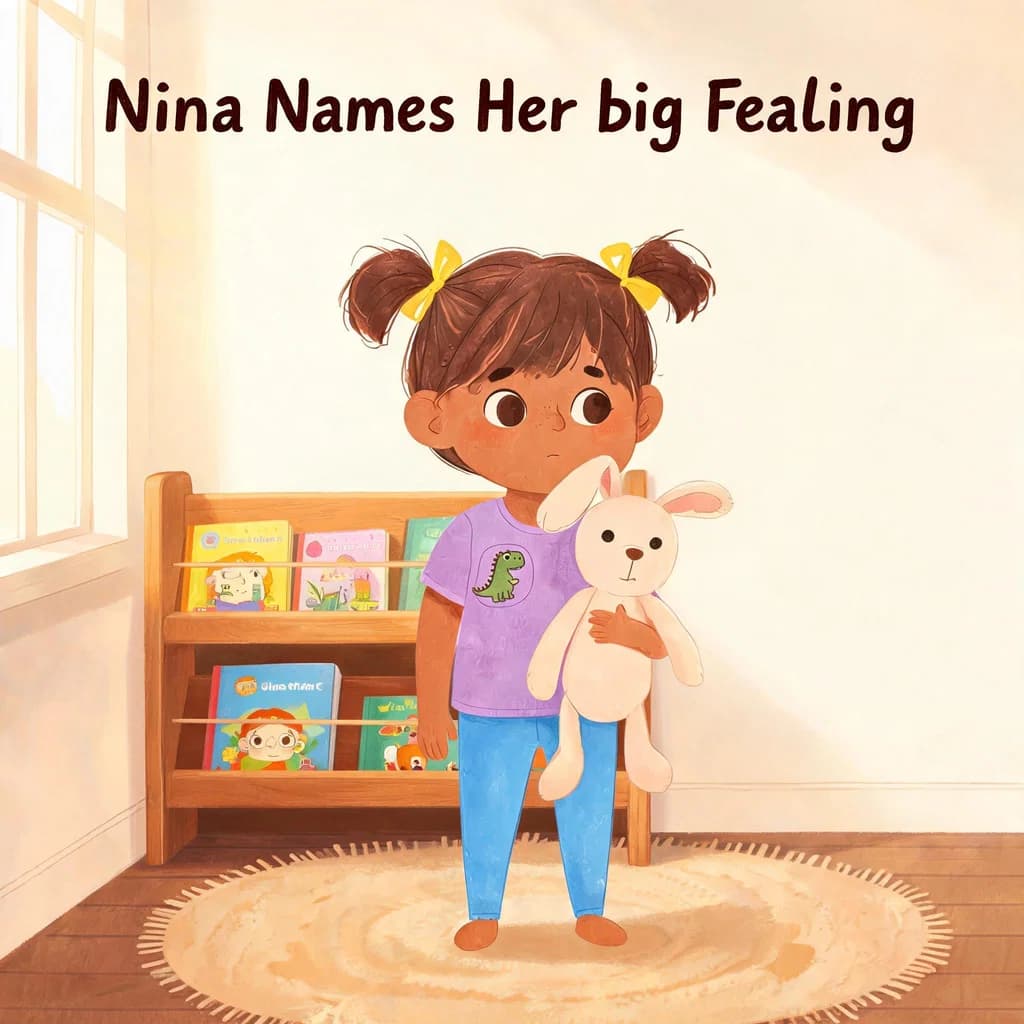
Nina Names Her Big Feeling

読み聞かせ中

Nina Names Her Big Feeling

Nina stared at the messy pile. A big, tight feeling filled her chest, like a giant balloon was inflating inside her. Her hands made fists. Her …

  1. あなたのアイデア
  2. AI処理
  3. イラスト
  4. 完成した本
読んでみる

Turn this idea into a personalized story you can read, save, and print.

名前・年齢・画風を選ぶだけで、数分で新しいイラスト付き絵本が完成します。

よくある質問

What are feelings stories for preschoolers?
They are short stories that help young children notice, name, and talk about feelings in everyday situations.
Which feelings should I start with?
Start with common feelings children already experience: happy, sad, mad, worried, excited, proud, and calm.
Can these stories help with big emotions?
They can support practice and conversation. Use calm, simple language and one action the child can try, such as asking for help or taking a slow breath.
Can teachers use these for SEL lessons?
Yes. A short story can introduce emotion vocabulary before a group discussion, drawing activity, or printable worksheet.
Can I personalize a feelings story?
Yes. Add the child's name, the real setting, the feeling, and the supportive adult or friend who helps.