Key Points
- 1The Magic of Short Stories for 1st Graders
- 2Building Early Reading Confidence
- 3Why Short Stories Beat Long Chapter Books
- 4Best Free Online Stories for 1st Graders
- 5Interactive and Animated Tales
Fun Short Stories for 1st Graders
Discovering the right short stories for 1st graders can spark a lifelong love of reading. At this pivotal age, children transition from learning letters to understanding narratives, making it essential to provide engaging, age-appropriate content. Whether you are looking for preschool read aloud stories to practice fluency or free online stories for 3rd graders to challenge advancing readers, finding the right mix of entertainment and education is key. This guide explores the best resources, from printable worksheets to interactive tales, designed to build confidence and phonics skills in young readers.
The Magic of Short Stories for 1st Graders
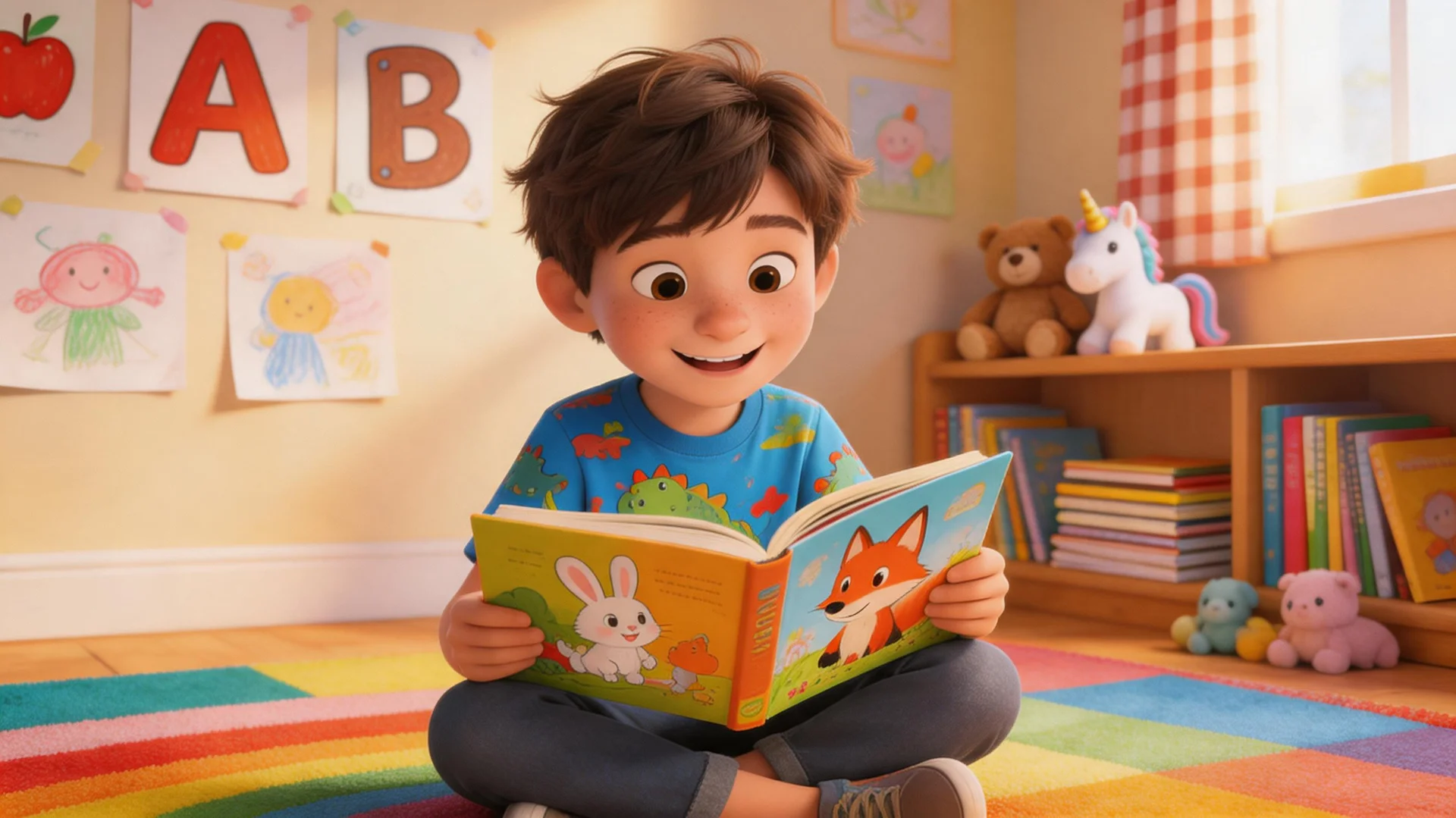
Image generated by AI.
First grade is a magical time in a child's educational journey. Short stories provide the perfect bridge between picture books and longer narratives, offering manageable chunks of text that keep children engaged without overwhelming them. By focusing on simple vocabulary, sight words, and phonics patterns, these tales help early readers decode words successfully.
Building Early Reading Confidence
When a child finishes a story on their own, it instills a tremendous sense of accomplishment. Short stories for 1st graders are specifically designed to be completed in one sitting, which reinforces their belief in their own reading abilities. This repetition of success is crucial for building fluency and a positive association with books.
Why Short Stories Beat Long Chapter Books
While chapter books have their place, they can often frustrate emerging readers who lose track of the plot over several days. Short stories offer immediate resolution and satisfaction. The focused narrative helps children practice reading comprehension skills—like identifying the main idea and retelling events—without the cognitive load of remembering multiple chapters.
Best Free Online Stories for 1st Graders

Image generated by AI.
The internet is a treasure trove of literacy resources, but finding high-quality, safe, and free platforms can be a challenge. Top educational platforms emphasize a balance of phonics, engaging illustrations, and interactive elements to keep six-year-olds focused. When exploring digital libraries, look for options that offer differentiated learning, such as audio supports or adjustable reading levels.
Interactive and Animated Tales
Interactive tales bring reading to life through animation, sound effects, and click-and-reveal elements. These stories often function as read-alouds, highlighting words as they are spoken, which reinforces phonics and sight word recognition. This multisensory approach is particularly effective for reluctant readers who need a little extra engagement to sit down with a book.
Printable Stories and Comprehension Worksheets
For parents and teachers who prefer screen-free reading time, printable stories are an excellent resource. Many educational websites offer free short stories accompanied by reading comprehension worksheets. These printables allow children to practice underlining key details, answering questions about the text, and improving vocabulary in a traditional pencil-to-paper format.
If you want to take reading customization a step further, ChildrenBooks.online offers an incredible tool to create personalized stories tailored to your child's exact reading level and interests. Personalized narratives can dramatically increase a child's willingness to read, as they see themselves reflected in the adventure. The platform is user-friendly and empowers parents and educators to craft unique content that aligns perfectly with specific phonics goals or thematic units.
Kindergarten Storytime & Preschool Read Aloud Stories
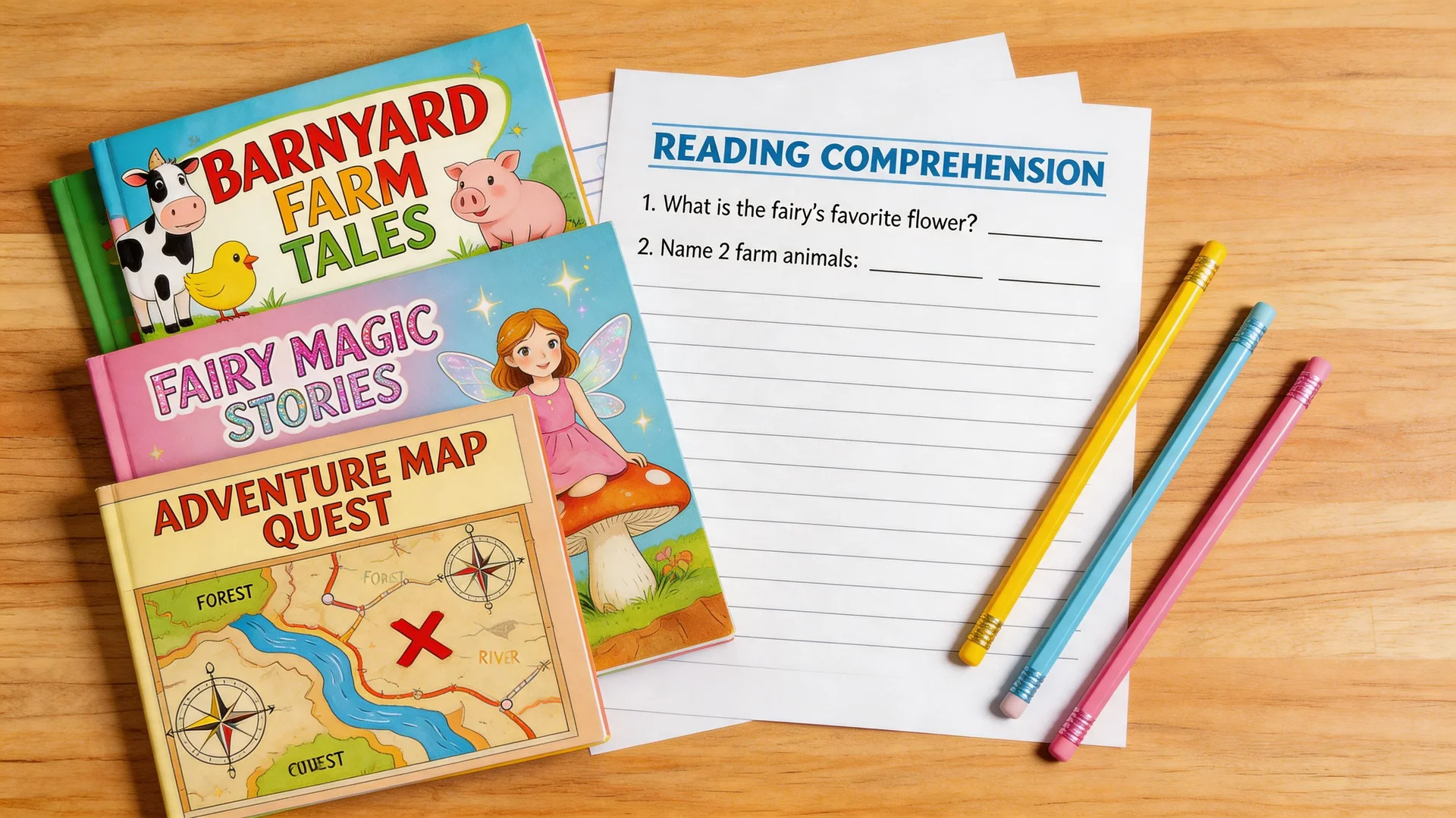
Image generated by AI.
Before children can read independently, they build their foundational literacy skills by listening to others. Kindergarten storytime is an essential practice for modeling fluency, expression, and pacing. Hearing stories read aloud exposes children to rich vocabulary and complex sentence structures they might not yet be able to decode on their own.
How to Catch a Gingerbread Man Read Aloud
Read-alouds become even more impactful when they involve interactive catch-and-chase narratives. For instance, exploring a story like how to catch a gingerbread man read aloud allows children to participate through predictions, repetitive refrains, and dramatic play. This active participation keeps their attention sharp and makes the reading experience memorable and joyful.
Engaging Read-Alouds for Five Year Olds
When selecting stories for five year olds, look for books with rhythmic text, vibrant illustrations, and predictable story arcs. These elements help young listeners anticipate what comes next, which builds their narrative comprehension. Funny stories and tales about familiar daily routines are always a hit in the preschool and kindergarten classroom.
Thematic Short Stories for Youngsters
Organizing reading material by theme is a fantastic way to capture a child's specific interests. Thematic units also help educators tie reading into broader curriculum topics, like science or social studies. Here are some of the most popular themes that captivate early elementary students.
Short Fairytales & Magical Adventures
Short fairytales remain a staple of early childhood literacy. These timeless stories introduce children to narrative structure, character archetypes, and the concept of problem and resolution. Simplified versions of classic tales allow 1st graders to practice reading independently while still enjoying the magic of dragons, castles, and wizards.
Farmyard Stories & Animal Friends
There is something universally appealing about farmyard stories to young readers. Animal characters often behave in human-like ways, allowing children to explore social dynamics, empathy, and humor through a safe, relatable lens. Whether it is a mischievous goat or a brave little pig, animal tales are perfect for engaging young minds.
Adventurous Short Stories for Childrens
For those ready to explore beyond the farm, adventurous short stories for childrens provide thrilling plots that test characters' bravery and cleverness. These narratives are excellent for introducing problem-solving skills and discussing cause and effect. Action-packed tales keep reluctant readers turning the pages to find out what happens next.
Growing Readers: Stories for 7 Year Olds and Beyond
As children master basic phonics and sight words, their reading abilities accelerate rapidly. It is important to continuously provide materials that challenge them without causing frustration. Transitioning to stories for 7 year olds means introducing more complex vocabulary, multi-layered plots, and longer chapters that span multiple reading sessions.
Short Stories for 3rd Graders
By the time readers reach third grade, they are shifting from learning to read to reading to learn. Short stories for 3rd graders often incorporate deeper themes, such as friendship challenges, historical fiction, or introductory science concepts. These texts rely less on illustrations and more on descriptive language to paint a picture in the reader's mind.
Free Online Stories for 3rd Graders
As children become more proficient digital navigators, they can benefit from interactive reading platforms that offer free online stories for 3rd graders. These platforms often include features like built-in dictionaries, progress tracking, and quizzes that test deeper comprehension skills, such as making inferences and identifying the author's purpose.
Stories for Nine Year Olds & Adolescents
The leap to middle-grade reading is an exciting milestone. Stories for 9 year olds begin to tackle more mature themes, including identity, resilience, and complex social dynamics. As children transition toward adolescence, they seek out narratives that reflect their expanding worldview. Whether exploring short stories for 9 12 year olds or more mature stories for adolescents, the key is to provide diverse voices and genres that validate their experiences and challenge their perspectives. For a wide selection of stories that grow with your child, visit ChildrenBooks.online, where we believe every child deserves access to captivating, age-appropriate literature that inspires a lifelong passion for reading.